Composting Leaves in Fall: 5 Shortcuts to Make Black Gold by Spring
I’ll admit it: I used to bag up every single oak and maple leaf that fell in my yard, drag the swollen brown bags to the curb, and watch the city truck haul them away. Then one November, I got curious—and a little cheap—and decided to keep a pile of leaves in a corner behind the shed. By April, that pile had turned into dark, crumbly stuff that smelled like a forest floor. I haven’t bought compost since. Here are five shortcuts to turn your fall leaves into black gold by spring, without the backache or the waiting.
Why Fall Leaves Are Your Best (and Most Overlooked) Soil Amendment
If you treat autumn leaves as trash, you’re tossing out one of the best free soil builders on the planet. Leaf compost—whether you make it into quick leaf mold or a balanced humus—adds organic matter, improves water retention, feeds earthworms, and buffers soil pH. It’s especially valuable because it’s fungal-dominant, which is exactly what most garden soils and perennial beds crave. Unlike nitrogen-heavy kitchen compost, leaf compost builds long-term structure.
The real kicker? You don’t need a fancy bin, a shredder, or a degree in microbiology. You just need leaves, a little moisture, and one of the five shortcuts below. I’ve used every single one of them in my own small city yard, and they all work—the difference is how much time and space you want to invest.
Shortcut #1: The ‘Mow and Leave’ Method – Zero Effort, Maximum Reward
This is the laziest, smartest thing you can do with fallen leaves, and it takes about 20 minutes on a Saturday afternoon. Run your mower over the leaves right on the lawn—no bagging. A mulching mower works best, but any mower will do if you go over the pile twice. The shredded leaves fall into the grass, where they decompose over winter, feeding microbes and returning nutrients directly to the soil.
I did this last October with a thick carpet of red oak leaves that had me dreading the rake. After two passes with the mower, the leaves were down to confetti-sized bits that settled into the grass. By March, they were almost invisible, and my lawn was noticeably greener in those spots. The trick is to mow before the layer gets deeper than about two inches—if you wait until leaves are piled six inches high, you’ll smother the grass. Mow often, and let the mower do the work.
Shortcut #2: Build a Leaf Mold Pile – The Lazy Gardener’s Gold
Leaf mold is what happens when leaves decompose anaerobically (slowly, without oxygen) or with minimal turning. It’s not the same as brown, crumbly compost—leaf mold is darker, almost black, and has a spongy, fungal texture that’s incredible for soil structure. And it’s stupidly easy to make.
Here’s what I do: rake leaves into a pile in a shady corner, wet them thoroughly with a hose, and walk away. That’s it. No turning, no layering. If you want it faster, shred the leaves first or cover the pile with a tarp to hold moisture. By spring, the bottom third will be finished leaf mold. I pull that out, use it as a topdressing or seed-starter mix, and let the rest keep cooking. A 3x3-foot pile in my yard produces about a wheelbarrow-load of leaf mold every winter—enough to dress every bed in my small garden.
Shortcut #3: The ‘Bag and Forget’ Method – Compost in a Bag
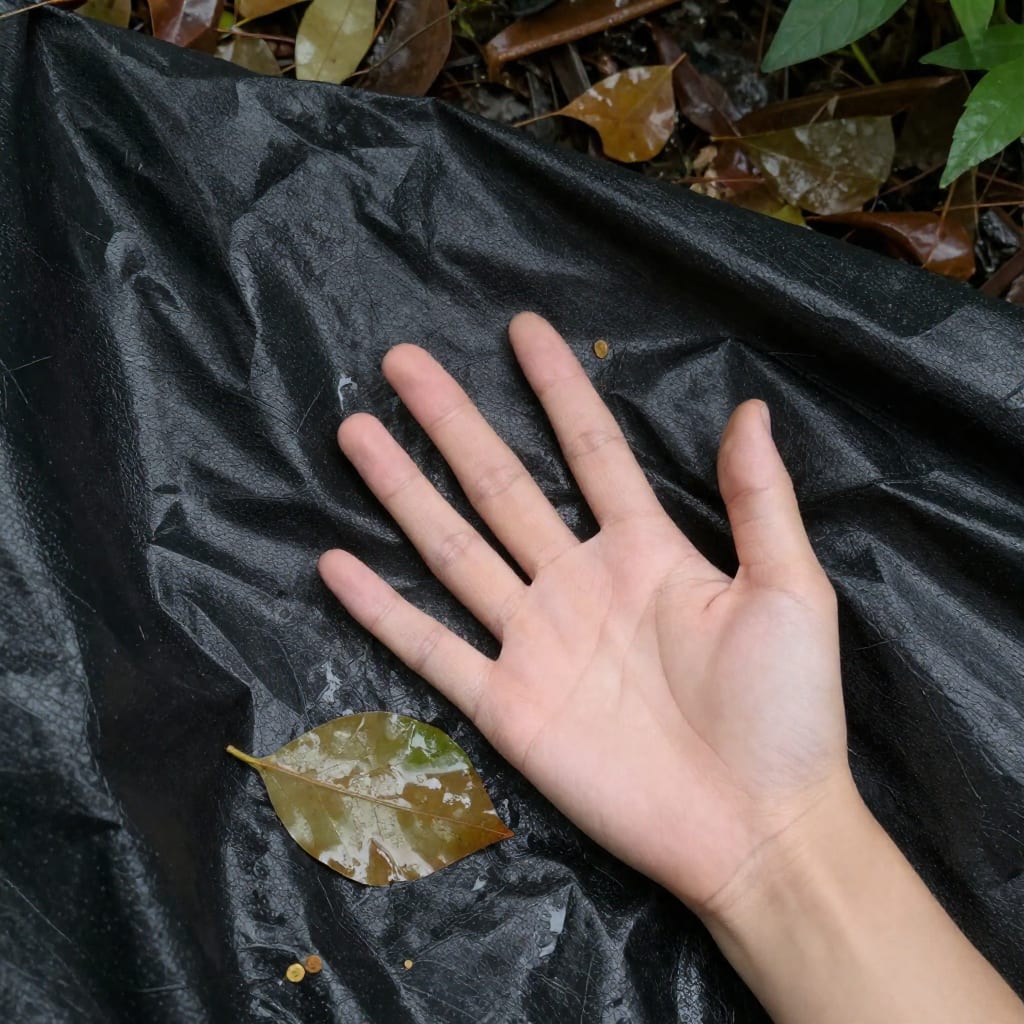
If you have no yard space or an HOA that frowns on leaf piles, this trick is a lifesaver. Fill heavy-duty black plastic trash bags with moist leaves—about three-quarters full—tie them closed, and poke a dozen small holes in each bag with a garden fork. Stack the bags out of sight (behind a shed, under a deck, or in a garage corner) and leave them alone for four to six months.
The moisture and limited air create a slow, cool decomposition. I did this one year when my yard was too small for a pile, and I stored the bags behind the garage. By March, the leaf matter had broken down into a dark, earthy material that smelled like a potting shed. It wasn’t as fine as hot-composted leaf mold, but it worked beautifully as a mulch and soil amendment. Just don’t use clear bags—UV light will degrade them, and you want darkness to discourage mold on the outside.
Shortcut #4: Hot Composting Leaves – Speed Up the Clock with Greens
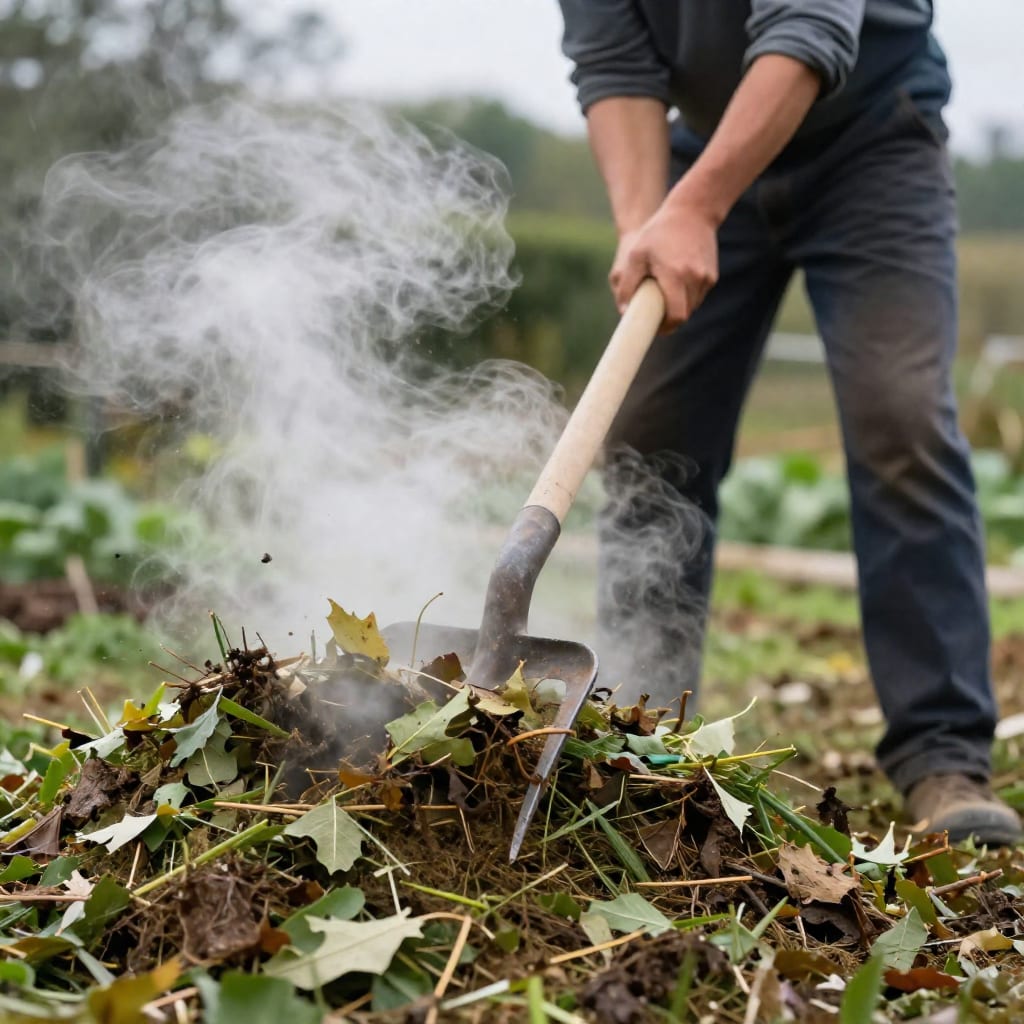
For the impatient gardener—and I am one—hot composting leaves can produce finished compost in as little as 8 to 12 weeks, even in fall’s cool temperatures. The secret is balancing the carbon-heavy leaves (browns) with nitrogen-rich greens: grass clippings, kitchen scraps, coffee grounds, or a small handful of balanced fertilizer. Aim for a ratio of about 3 parts leaves to 1 part greens by volume.
I built a 4x4-foot wire bin last November, layered leaves and fresh grass clippings, soaked each layer, and turned the pile every five days. Within two weeks, the center was steaming at 140°F. By late January, I had rich, dark compost that smelled like earth and crumbled through my fingers. That batch went straight onto my raised beds before the spring rains. Hot composting does require a bit of work—turning and monitoring moisture—but if you want black gold by early spring, this is your fastest path.
Shortcut #5: Leaf Compost Tea – Liquid Gold in Weeks, Not Months
You don’t have to wait for solid compost to get the benefits. Leaf compost tea is a nutrient-rich liquid you can brew from partially decomposed leaves, and it’s ready in two to four weeks. I use it as a winter tonic for houseplants and overwintering greens in my cold frame.
Here’s my method: fill a five-gallon bucket one-third full with leaf mold or semi-decomposed leaves (the stuff from the bottom of your pile or bag). Top off with water, stir, and let it steep for three to four days, stirring once a day. Strain through an old T-shirt, and you’ve got a dark, tea-colored liquid. Dilute it 1:10 with water and use it as a soil drench. I’ve fed my spider plants and overwintered kale with this tea all winter, and they stayed green and growing even under a cloudy sky. It’s not a complete fertilizer—it’s low in nitrogen—but it’s a fantastic microbial booster and trace-mineral source.
Common Mistakes That Slow Down Leaf Composting (And How to Avoid Them)
Even with the best shortcuts, a few pitfalls can sabotage your black gold. Here’s what I’ve learned the hard way:
- Using only one leaf type. Oak leaves are tough and waxy; maple is softer. Mix them for faster breakdown. I toss in pear and cherry leaves too.
- Forgetting moisture. Dry leaves won’t decompose. They need to feel like a wrung-out sponge—damp, not dripping. If your pile is dry, hit it with a hose.
- Piling too deep. A pile taller than five feet compresses the bottom, cutting off air and creating a stinky, anaerobic mess. Keep it to 4 feet max.
- Ignoring size. Whole leaves take forever. Shred them with a mower, a leaf blower on reverse, or by running over them with a lawn tractor. Smaller pieces mean faster compost.
- Not covering in wet climates. If you get heavy rain, a tarp prevents leaching of nutrients and keeps the pile from getting waterlogged.
How to Know When Your Leaf Compost is Ready – The Simple Tests
You don’t need a lab test. Use your senses. Finished leaf compost looks like dark, crumbly soil—almost black, with no recognizable leaf pieces. It smells earthy, like a forest after rain, not sour or ammonia-like. If you squeeze a handful, it should hold its shape but crumble easily when poked. If it’s still sticky or smells like rot, give it more time.
One trick I use: take a handful, dampen it, and seal it in a plastic bag for a week. If it smells sweet and earthy when you open it, you’re good. If it smells funky, go back to the pile. That test has saved me from spreading unfinished compost that would rob nitrogen from my plants.
Frequently Asked Questions About Composting Leaves in Fall
Can I compost oak leaves? They seem so tough.
Yes, but you’ll need to shred them or mix them with softer leaves like maple. Oak leaves are high in lignin and tannins, which slow decomposition. I run mine through a mower first, and they break down fine by spring in a hot pile.
Do I need to add anything to leaves to make them compost faster?
A nitrogen source—grass clippings, coffee grounds, or a small handful of balanced fertilizer—will speed things up significantly. Leaves are all carbon; without nitrogen, they’ll take a year or more.
What if my leaves have mold or disease spots?
Avoid diseased leaves unless you’re hot composting (maintaining 140°F for several days) to kill pathogens. I skip leaves from my diseased roses and instead send them to municipal compost. It’s not worth the risk of spreading blight in spring.
How much space do I need for a leaf compost pile?
Even a 3x3-foot area works. For bag composting, you just need a corner. I’ve seen people make leaf mold in a five-gallon bucket with holes drilled in the lid—any space can work.
Can I use leaf compost on my lawn or only in garden beds?
Yes, fine-screened leaf compost makes an excellent lawn topdressing. Spread a quarter-inch layer after aerating, and it feeds the soil without smothering grass. I do this every spring, and my lawn stays thick and green with less fertilizer.
If you want to take your leaf composting further, check out our guide on how to shred leaves for compost without a shredder—that trick alone cuts your timeline in half. For a deeper dive on bins, see best compost bin for fall leaves. And if you’re still deciding between methods, leaf compost vs regular compost: what's the difference breaks down the trade-offs.
The USDA NRCS guide to composting offers detailed science if you want to geek out, and Penn State Extension’s article on leaf mold benefits confirms what I’ve seen in my own yard—fungal compost is worth the wait.
Practical takeaway: Pick one shortcut that fits your space and energy level, start this weekend, and by spring you’ll have black gold that cost you nothing but a little effort. That’s a win for your garden and your wallet.