Stretch Without Trying: 5 Micro-Habits That Actually Stick
I’ve lost count of how many times I’ve told myself, “This week, I’m finally going to stretch every morning.” I’d roll out a mat, set a timer for ten minutes, and last exactly three days before life got in the way. Sound familiar? The problem isn’t laziness—it’s that traditional stretching routines demand a block of time, willpower, and a quiet space, which most of us simply don’t have. That’s why I switched to micro-habits: tiny, nearly effortless stretches that slip into your day without a dedicated routine. These aren’t about carving out 20 minutes; they’re about stealing 30 seconds here and there. In my own experience, after a week of these micro-habits, my lower back stopped nagging, and I didn’t even feel like I was “trying” to stretch. Here are five micro-habits that actually stick.
Micro-Habit 1: The '1-Minute Rule' – Stretch While You Wait
This one is my favorite because it turns dead time into movement. Every morning, while my coffee brews, I stand at the counter and do a simple overhead reach—arms up, fingers interlaced, palms facing the ceiling. It takes about 30 seconds. During the day, I do the same when the microwave is running or when a webpage is loading. The 1-Minute Rule is simple: whenever you’re waiting for something that takes less than two minutes, use that moment to stretch. I started with just neck rolls and shoulder shrugs—no mat, no special outfit. After a week, I noticed my shoulders felt looser, and I no longer dreaded the morning coffee wait. The key is to pick one waiting moment (like brewing coffee) and repeat it daily until it becomes automatic.
Micro-Habit 2: Anchor Your Stretch to an Existing Routine
Habit stacking is the secret to making anything stick. I attached a 30-second hamstring stretch to brushing my teeth. Every morning, after I finish brushing, I place one foot on the toilet lid or a low stool, keep my leg straight, and lean forward until I feel a gentle pull in the back of my thigh. I hold it for 15 seconds per leg. The existing habit (brushing teeth) triggers the new one (stretching). Other anchors that work: stretch before you shower (a quick side bend), after you sit down at your desk (a seated spinal twist), or right before bed (a gentle hip opener). The trick is to keep it short—no more than 30 seconds—so it never feels like a chore. I’ve been doing this for two months, and I no longer even think about it; I just do it.
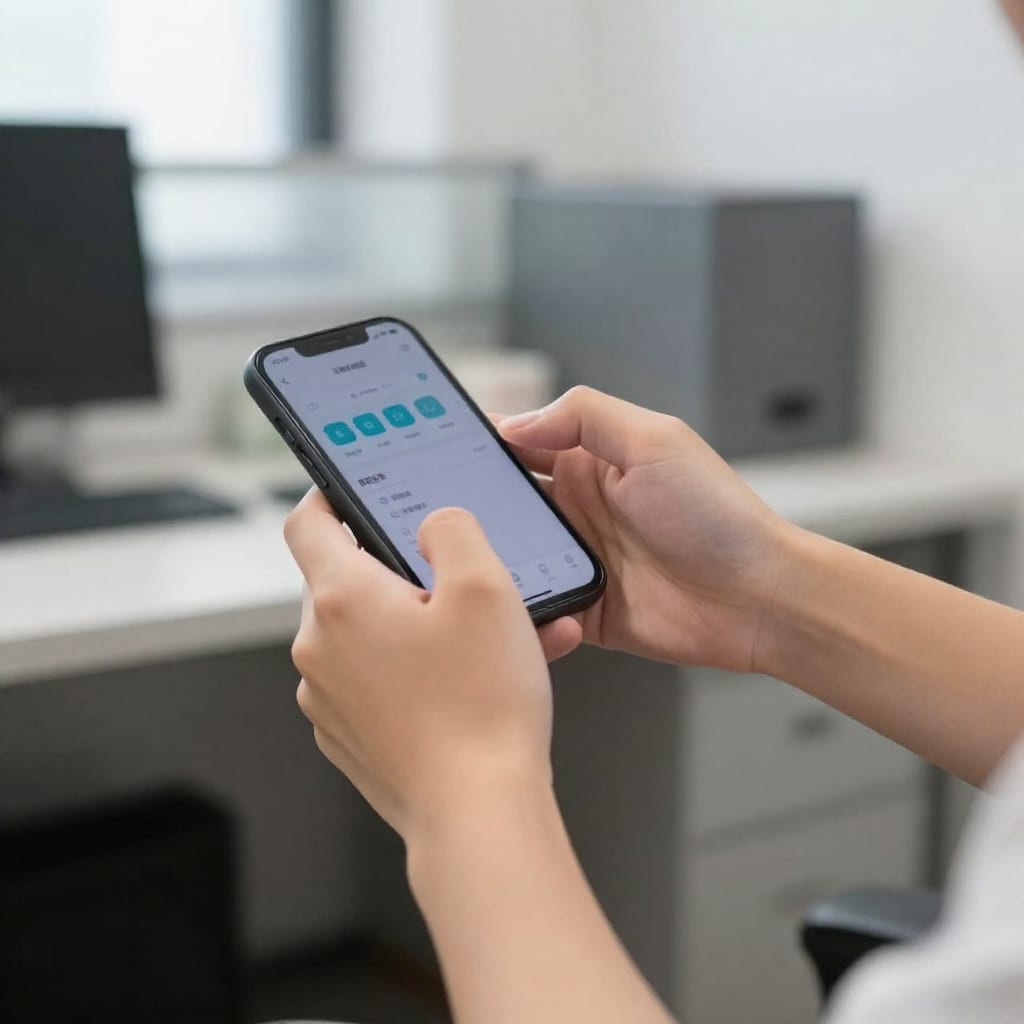
Micro-Habit 3: The 'Phone Stretch' – Use Tech Triggers
Our phones are already buzzing with notifications; why not use them for good? I set a gentle alarm on my phone for every two hours during work. When it goes off, I stand up, do a quick forward fold (hands touching the floor or shins), and take three deep breaths. It takes less than 20 seconds. I also use the “every time I check social media” rule: before I scroll Instagram or Twitter, I do one quick stretch—like a chest opener (clasp hands behind back and squeeze shoulder blades). The key is to pair the stretch with a high-frequency tech action. I tried using a dedicated stretching app, but a simple phone timer worked better because I didn’t have to open another app. After a week, I noticed I was standing more during the day, and my midday slump felt less intense.
Micro-Habit 4: The 'One Joint' Rule – Focus on a Single Area
Overwhelm kills consistency. That’s why I follow the One Joint Rule: each day, I focus on exactly one joint or muscle group. Monday is neck (gentle tilts and rotations), Tuesday is hips (butterfly stretch or figure-four), Wednesday is shoulders (arm circles and doorway stretch), Thursday is hamstrings, Friday is chest, and weekends are for light full-body cat-cow stretches at my desk. This makes it feel manageable—I’m not trying to hit every tight spot every day. I rotate through these in under 60 seconds total, often while waiting for my computer to boot up. The counter-intuitive insight: you don’t need to stretch every muscle daily. Focusing on one area per day actually improves adherence because the task feels small and specific. After three weeks, I could touch my toes more easily, and my hip stiffness—which I’d ignored for years—started fading.
Micro-Habit 5: The 'Breathe and Reach' – Stretch While You Breathe
This is the most relaxing of the five. I pair a deep breath with a gentle movement: inhale, reach both arms overhead (palms face each other); exhale, fold forward (knees slightly bent). That’s one cycle. I do three to five cycles whenever I feel tense—usually after a stressful email or before a meeting. The breathing calms my nervous system, and the movement loosens my back and neck. It feels like a reset, not a workout. I started doing this while waiting for Zoom calls to start. The rule is simple: the stretch only goes as far as the breath allows—never force. Over time, this micro-habit has become my go-to stress reliever. One caveat: if you’re very cold, avoid deep forward folds; stick to gentle arm circles or side bends.
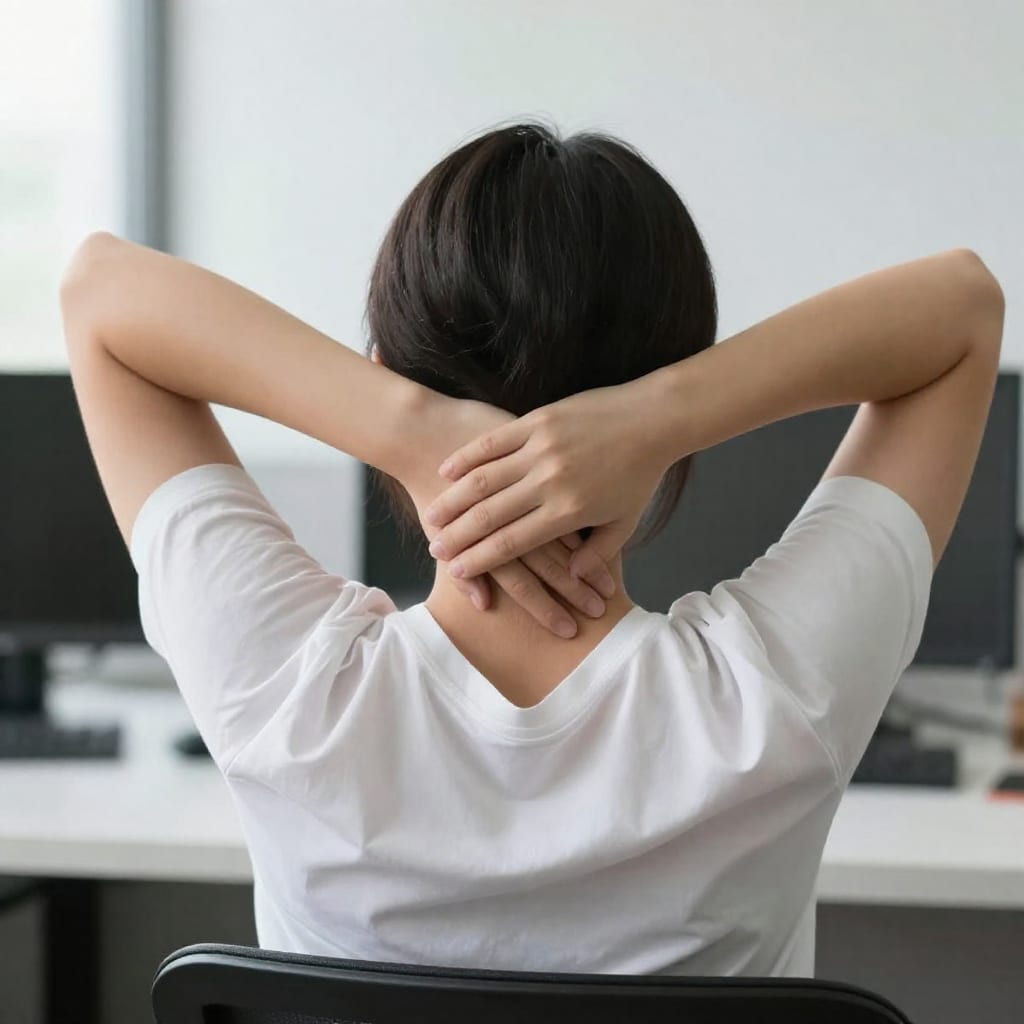
How to Stack These Micro-Habits for Maximum Adherence
You don’t have to do all five at once. Start with one micro-habit (like the 1-Minute Rule) and practice it for a week. Once it feels automatic, add another (like the Phone Stretch). The goal is to build a chain of tiny habits that flow naturally through your day. For example: coffee brewing → overhead reach → teeth brushing → hamstring stretch → phone alarm → forward fold → before bed → Breathe and Reach. I track mine with a simple checklist on a sticky note (no app needed). If I miss a day, I don’t sweat it—I just restart the next day. The key is consistency over perfection. After a month, you’ll likely find yourself stretching without thinking about it.
Real-Life Example: A No-Routine Day with Micro-Stretching
Here’s what a typical day looks like for me now. Morning: I brew coffee and do the 1-Minute overhead reach. Then I brush my teeth and do the hamstring stretch (anchor habit). At work: my phone alarm goes off at 10 a.m.; I stand and do a forward fold. Before lunch, I check social media, so I do a quick chest opener. Afternoon slump: Breathe and Reach (three deep cycles). Evening: I do one joint focus—Tuesday is hips, so I do a seated butterfly stretch while watching TV. Total time spent stretching? Maybe three minutes. But I feel more mobile and less stiff than when I tried to force a 15-minute routine. The secret is that each habit is so small, I never resist doing it.
What the Science Says About Brief, Frequent Stretching
Research supports what I’ve experienced. A study published in the Journal of Strength and Conditioning Research found that even 30-second static stretches performed daily can improve flexibility over time. The American Council on Exercise notes that frequency matters more than duration for maintaining range of motion. Harvard Health also emphasizes that short, frequent stretching can reduce muscle stiffness and improve circulation, especially for people who sit for long hours. While micro-stretching won’t turn you into a contortionist overnight, it can noticeably reduce daily aches and improve mobility. The key is consistency—doing a little every day beats doing a lot once a week. As with any movement, listen to your body and avoid pain.
Worth bookmarking before your next trip? Maybe—these habits travel well. No mat required.
Practical takeaway: Pick one micro-habit from this list and practice it for seven days. Attach it to something you already do (coffee, teeth brushing, phone check). After a week, add another. You’ll be stretching without trying—and your body will thank you.