7 Realistic Tips for Maintaining Healthy Habits When You Live Alone
Last year, I moved into my own place for the first time. The silence was a shock — no roommate to ask about dinner, no partner to nudge me off the couch for a walk. Within three weeks, I’d eaten microwave mac and cheese for five straight dinners and somehow forgotten to leave the apartment for two full days. That’s when I realized: living alone doesn’t just remove obstacles to bad habits — it removes the guardrails that kept good ones in place. But I also discovered something else: once you understand how to work with that freedom instead of against it, solo living can become the best environment for building habits that actually stick. Here are seven realistic tips I’ve tested in my own kitchen, desk, and living room — no roommate required.
Why Living Alone Makes Healthy Habits Both Easier and Harder
When you live alone, you are the only person who decides what goes into the fridge, what time you wake up, and whether you roll out a yoga mat or scroll your phone for an hour. That’s a lot of power — and a lot of pressure.
On one hand, you don’t have to negotiate your routine with anyone. Want to meditate at 6 a.m. without someone walking through the kitchen? Go for it. On the other hand, there’s no external structure — no one to ask “Did you eat lunch?” or “Want to go for a run?” This double-edged sword means that healthy habits can feel both more achievable and more fragile at the same time.
The Double-Edged Sword of Total Freedom
Without a roommate or partner, you lose what behavior scientists call “social accountability” — the subtle pressure of being watched. But you also gain the ability to design your environment exactly how you want it. You can rearrange your kitchen so healthy snacks are the first thing you see. You can set your coffee maker on a timer. You can leave your gym bag by the door and nobody will move it. The key is learning to use that freedom as a tool, not a trap.
Tip 1 – Create a Visible, Low-Friction Environment
This is the single most effective change I made. I stopped relying on willpower and started relying on sight lines.
I put a glass water bottle on my desk every morning so I couldn’t ignore it. I moved the bag of chips from the counter into a high cabinet behind a stack of cans. I hung my running shoes on the back of my bedroom door. The principle is simple: make the healthy choice the easy choice, and make the unhealthy choice require effort.
Out of Sight, Out of Mind – and Vice Versa
Here’s a concrete example: I used to grab a granola bar for breakfast because it was in a bowl on the counter. Now I keep a blender and a jar of oats on that same spot. I’m not more disciplined — I just removed the friction for a healthier option. Try this: place your workout clothes next to your bed the night before, keep a water bottle on your desk, and store treats in opaque containers in the back of the fridge. You’ll be amazed how much your environment nudges your behavior.
Tip 2 – Build External Accountability Without a Roommate
When I lived with a friend, we had an unspoken pact: if one of us went for a run, the other felt a little guilty staying on the couch. Alone, that guilt vanished. So I had to recreate it.
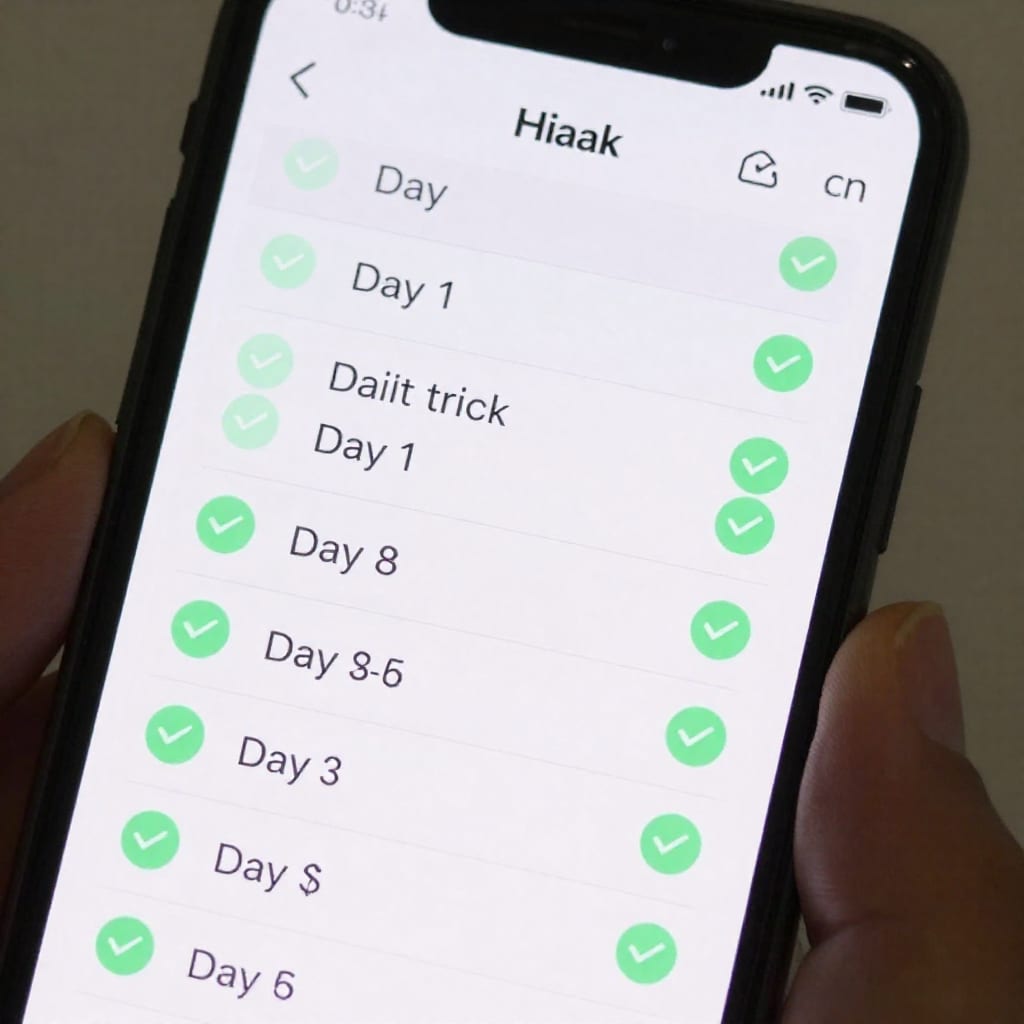
I started using a simple habit tracker app that shows streaks. For me, seeing a seven-day streak of morning stretches felt like a small trophy. I also texted a friend every evening with a one-sentence update: “Walked 20 minutes.” She didn’t judge me if I missed it — but knowing I had to type the message made me more likely to do the walk.
Use Technology and Community Wisely
You don’t need a formal accountability partner. Try a free app like Habitica or Streaks, join a Facebook group for people with similar goals, or even post a daily update on your private Instagram story. The key is making your progress visible to someone — even if that someone is a future version of yourself looking at a log.
Tip 3 – Anchor New Habits to Existing Solo Routines
This is habit stacking, and it’s especially powerful when you live alone because your routines are already predictable. I drink coffee every morning — that’s my anchor. So I told myself: after I pour my coffee, I’ll do two minutes of stretching. That’s it. The coffee triggers the stretch.
You can do the same. After you brush your teeth at night, floss one tooth. After you walk through the door after work, put your keys in a dish and do 10 push-ups. The existing routine becomes the cue, and the new habit becomes the action. No extra thinking required.
Tip 4 – Use the ‘One-Minute Rule’ to Beat Solo Procrastination
My biggest struggle when living alone is starting things. There’s no one to say, “Come on, let’s go.” So I trick my brain by promising to do just one minute.
One minute of meditation. One minute of tidying the kitchen. One minute of jumping jacks. Almost always, once I start, I keep going. The one-minute rule works because it bypasses the part of your brain that overestimates the effort of a task. It’s easier to convince yourself to do one minute than an hour. And if you really stop after one minute? That’s still a win — you did something.
Tip 5 – Schedule ‘Social Health’ into Your Week
When you live alone, it’s easy to let social connection slide. You don’t have built-in chats over dinner or random hallway conversations. I learned this the hard way after a month of near-isolation.
Now, I treat social time like a workout — I schedule it. Every Thursday evening, I have a standing video call with a friend. Every Sunday, I join a local hiking group (free, on Meetup). It doesn’t have to be elaborate. Even a 15-minute phone call while you walk counts. The point is to make social health a non-negotiable part of your week, not an afterthought.
Tip 6 – Embrace Imperfection with the ‘Two-Day Rule’
Here’s the truth: you will miss a day. Maybe you’re sick, maybe you’re traveling, maybe you just don’t feel like it. When you live alone, there’s no one to say, “Hey, you skipped yesterday — get back on track today.” So you need a system that forgives one miss but not two.
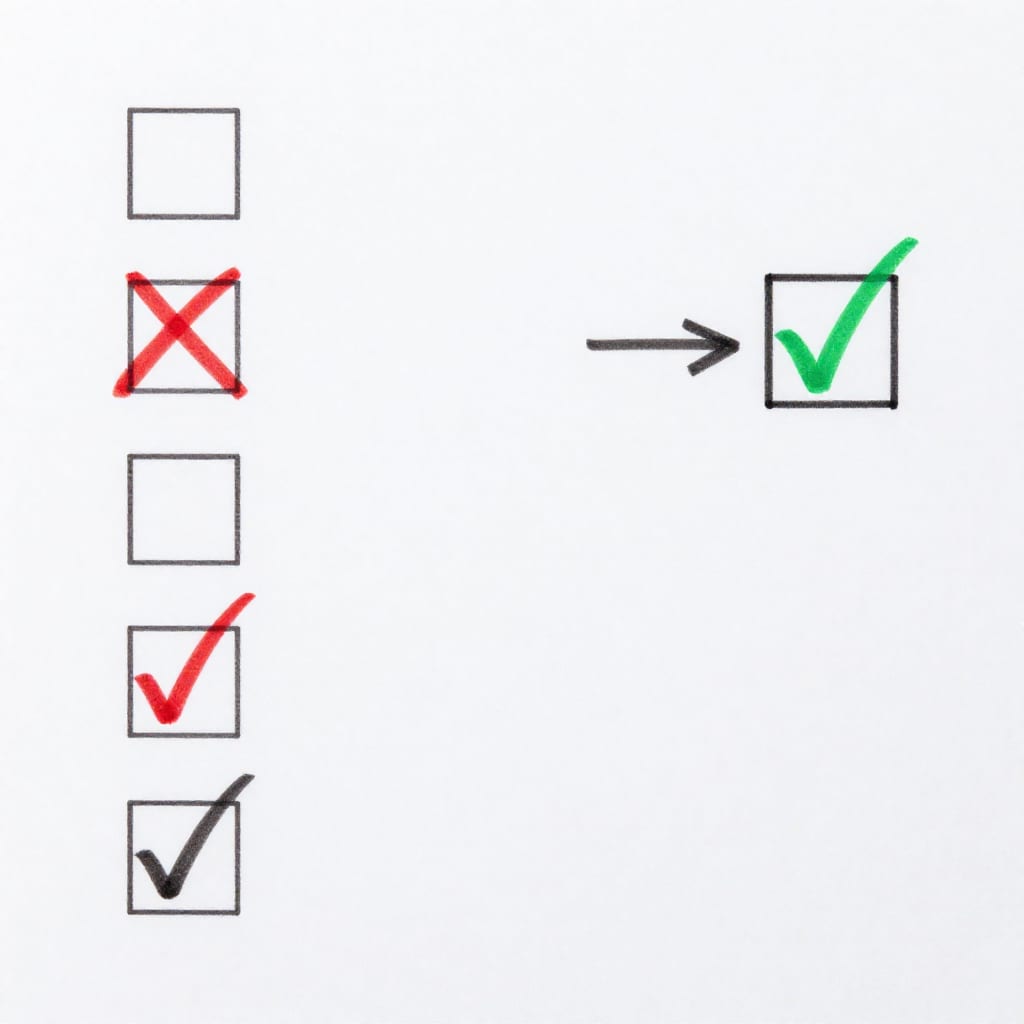
The two-day rule is simple: you can skip a habit once, but you can never skip two days in a row. Miss your morning run on Tuesday? You have to do it on Wednesday, no excuses. This prevents the all-or-nothing thinking that derails so many solo habit attempts. It’s forgiving but firm, and it keeps the streak alive without perfectionism.
Tip 7 – Reflect and Adjust Weekly, Alone
Every Sunday evening, I sit down with a notebook and ask two questions: “What worked this week?” and “What needs tweaking?” That’s it. No judgment, no lengthy journaling — just a quick audit.
Living alone means you’re the only one who notices when a habit isn’t fitting. Maybe your evening walk keeps getting pushed aside by work calls — try moving it to lunch. Maybe you hate the taste of that green smoothie — swap it for a different vegetable. The weekly reflection is your chance to adjust without external pressure. Over time, it turns your habit system into something that flexes with your life instead of breaking.
Bringing It All Together – Your Solo Habit System
Here’s the short version you can copy into your notes:
- Environment first — make healthy choices visible and easy.
- Accountability second — use apps, streaks, or a single text.
- Stack habits — anchor new ones to routines you already do.
- Start small — one minute beats zero minutes every time.
- Schedule social time — it’s as important as exercise.
- Forgive one miss — but never two in a row.
- Review weekly — adjust without guilt.
Living alone doesn’t have to mean drifting off course. With a few intentional tweaks to your environment and mindset, you can build a habit system that works because you’re the only one in charge — not in spite of it. Start with one tip this week. I’d bet you’ll surprise yourself.