7 Dentist-Approved Tips for Healthy Teeth Between Visits (2026 Guide)
I used to think that as long as my teeth didn’t hurt, everything was fine. I’d skip flossing for days, rinse my toothbrush under hot water for two seconds, and call it a night. Then, at a routine cleaning, my dentist pointed to a tiny dark spot on an X-ray. “That’s a cavity starting between your molars,” she said. “You can’t feel it yet, but it’s there.” That moment changed how I think about oral health. Cavities and gum disease are silent—they creep in without pain until they’re serious. By the time you feel a twinge, the decay has often reached the dentin or even the nerve. The same goes for gum disease: bleeding gums might seem minor, but they’re an early sign of inflammation that, left unchecked, can lead to bone loss. That’s why the tips I’m about to share aren’t about reacting to pain—they’re about staying ahead of it. This guide is built on what my own dentist has drilled into me (pun intended) and what the latest research confirms for 2026: small daily habits beat heroic last-minute fixes every time.
The Morning Routine That Protects You All Day
When I first started taking my morning routine seriously, I realized I’d been doing it wrong for years. Here’s the sequence my dentist recommended—and it made a noticeable difference in my checkups.
Step 1: Brush first thing. Don’t eat or drink anything except water. Overnight, bacteria multiply in your mouth, forming a biofilm (plaque). Brushing first thing removes that layer before you add food. Use a soft-bristled brush and a pea-sized amount of fluoride toothpaste. Angle the bristles at 45 degrees toward your gumline and use short, gentle strokes. I set a timer for two minutes—anything less and I’m rushing.
Step 2: Floss before brushing. I know, it sounds backward. But flossing first loosens debris and plaque between teeth, so the fluoride from your toothpaste can reach those tight spaces. I use about 18 inches of floss, wrap it around my middle fingers, and slide it gently between each tooth in a C-shape curve against the gum. This takes me about two to three minutes.
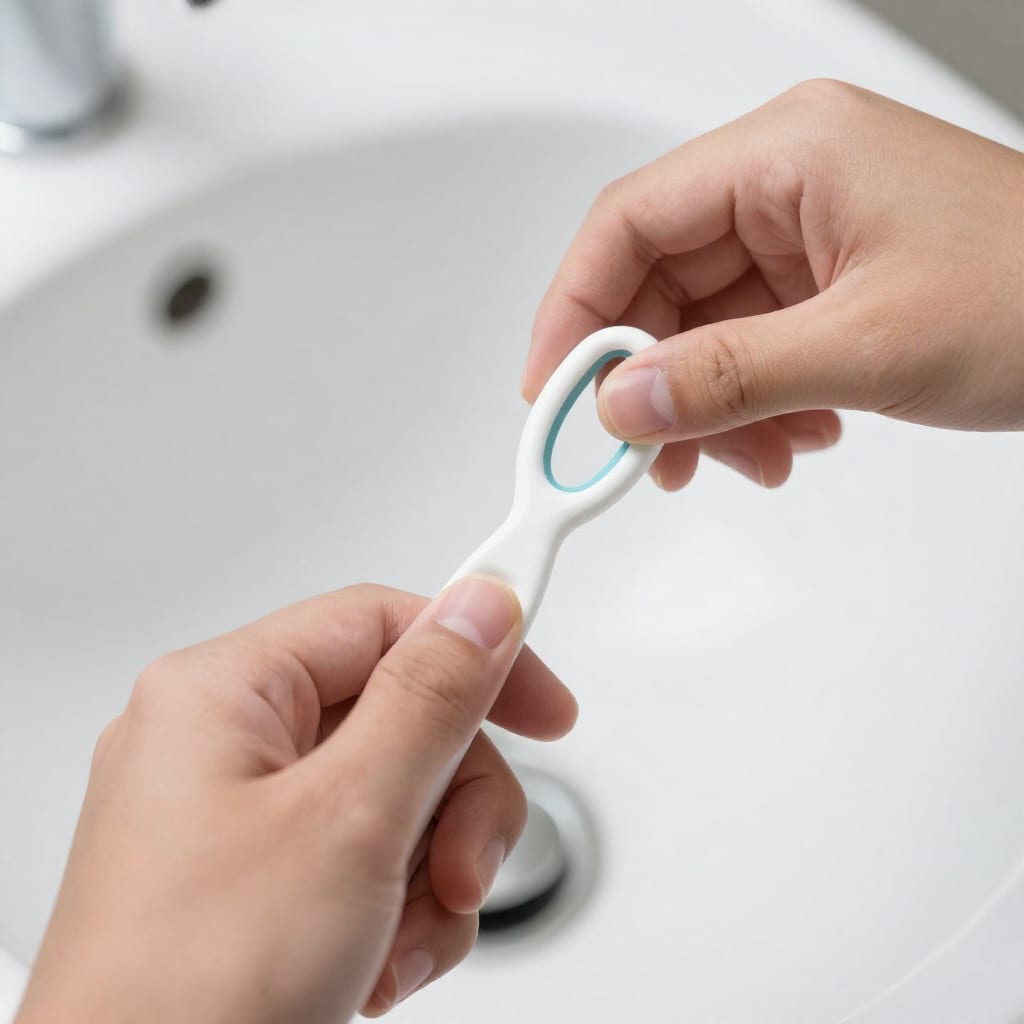
Step 3: Scrape your tongue. I bought a cheap stainless steel tongue scraper after my dentist mentioned that the tongue harbors bacteria that cause bad breath and contribute to plaque. A quick three or four scrapes from back to front removes a surprising amount of white film. Rinse the scraper after each pass.
Step 4: Wait before rinsing. After brushing, spit out the excess toothpaste but don’t rinse your mouth with water or mouthwash. The fluoride needs time to absorb into your enamel. I wait at least 15 to 20 minutes before eating or drinking anything. This small change—just not rinsing—has been shown to reduce cavities by up to 25% in some studies. It feels weird at first, but you get used to it.
Don’t Brush Right After Breakfast — Here’s Why
Here’s a mistake I made for years: eating a grapefruit or drinking orange juice, then brushing immediately to “clean off” the acid. Big no. Acid from food softens your enamel temporarily. Brushing right after can scrub away that softened layer, accelerating erosion. The rule of thumb is to wait at least 30 minutes after eating before brushing. If you’re in a rush, rinse your mouth with water or chew sugar-free gum to stimulate saliva and neutralize the acid. I keep a travel toothbrush at work and use it only after that half-hour window has passed.
Why Your Nighttime Ritual Matters More Than You Think
Nighttime is when your mouth’s defenses are at their weakest. Saliva production drops during sleep, so bacteria have a longer window to feast on leftover food particles and produce acid. That’s why your evening routine is arguably more important than your morning one.
Floss first, then brush. Again, flossing before brushing at night ensures you remove debris from between teeth before fluoride gets a chance to work. I also use an interdental brush for wider gaps—my dentist gave me a set of sizes to try.
Mouthwash timing. If you use mouthwash, use it at a different time than brushing. Either wait 30 minutes after brushing, or use it after lunch. The reason is similar to the no-rinse rule: the fluoride from toothpaste needs time to bind to enamel, and mouthwash can wash it away. I use a fluoride mouthwash before bed, but I wait at least 20 minutes after brushing.
Combat dry mouth. If you wake up with a dry mouth, you’re not alone. I keep a glass of water on my nightstand and take a sip if I wake up. Avoid alcohol-based mouthwashes, which can dry you out further. My dentist suggested a humidifier in the bedroom during winter, and it made a noticeable difference in morning breath and comfort.
Snack Smart: The Foods That Fight (and Feed) Cavities
Your diet directly affects your oral health. I used to snack on crackers and chips throughout the afternoon, not realizing that starchy carbs break down into sugars that feed cavity-causing bacteria. Here’s what I swapped in and saw real improvements.
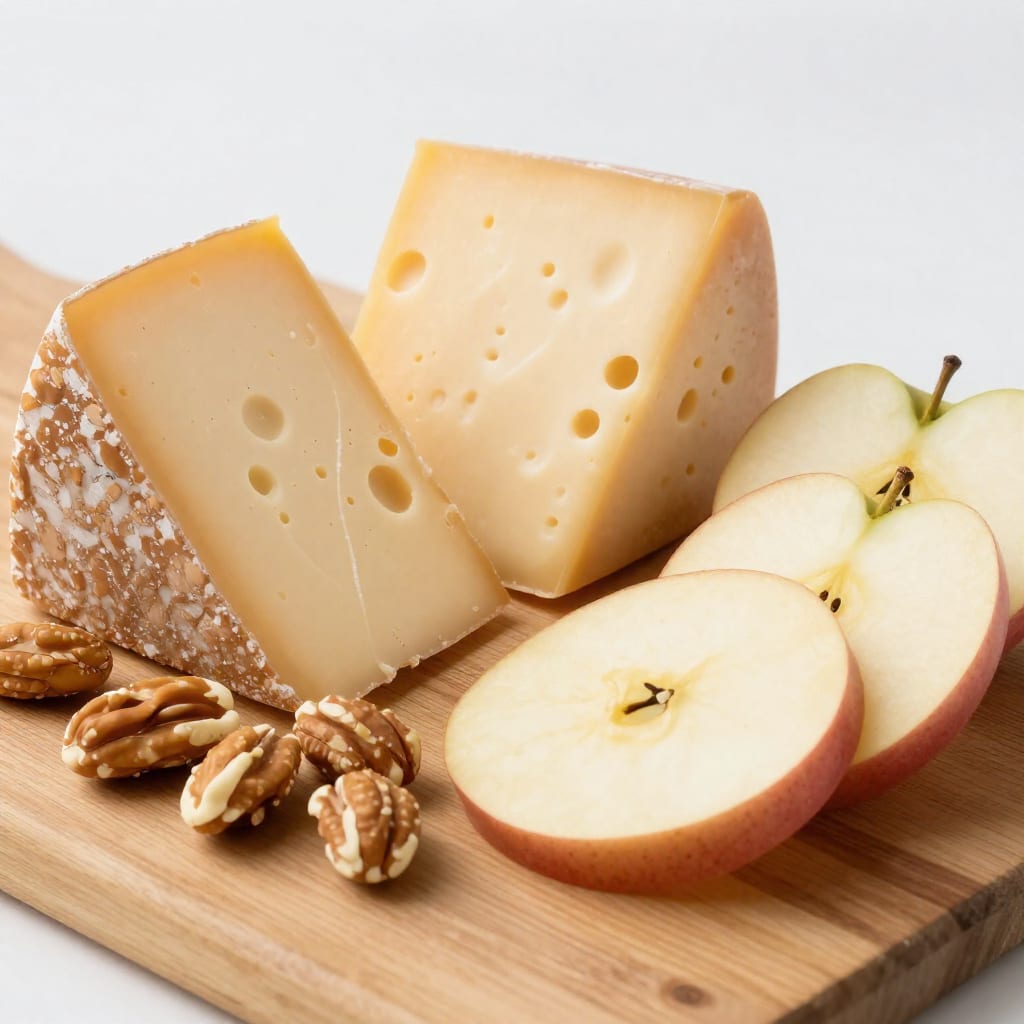
Cheese and nuts. A small cube of cheese after a meal raises pH in your mouth, reducing acid. Calcium and phosphates in cheese help remineralize enamel. Almonds and walnuts are also great—they’re low in sugar and high in calcium.
Sugar-free gum with xylitol. Chewing gum after meals stimulates saliva, which neutralizes acid and washes away food particles. Xylitol, a natural sweetener, actually inhibits the growth of Streptococcus mutans, the main cavity-causing bacteria. I keep a pack in my bag and chew for 10 to 15 minutes after lunch or a snack.
Crunchy vegetables. Carrots, celery, and apples act like natural toothbrushes, scrubbing plaque off surfaces as you chew. They also require more chewing, which increases saliva flow.
Avoid sticky, sugary treats. Dried fruit, gummy candies, and sugary drinks cling to teeth and keep feeding bacteria long after you’ve finished eating. If you indulge, rinse with water immediately and chew xylitol gum.
Hydration Hacks That Keep Your Mouth’s Defense System Strong
Water is your mouth’s best friend. Saliva is the first line of defense against cavities and gum disease—it neutralizes acids, washes away food, and contains antibacterial enzymes. When you’re dehydrated, your saliva becomes thicker and less effective.
Sip water throughout the day. I keep a reusable bottle on my desk and aim for at least eight glasses. After meals or coffee, I rinse my mouth with water to dilute acids and sugars. It’s a simple habit that takes seconds.
Avoid sippy-cup habits with sugary drinks. Sipping a soda or sports drink over an hour bathes your teeth in sugar and acid continuously. If you’re going to have something sugary, drink it quickly or use a straw to minimize contact with teeth.
Watch for dry mouth triggers. Caffeine, alcohol, smoking, and certain medications (like antihistamines or antidepressants) can reduce saliva. If you’re prone to dry mouth, talk to your dentist about fluoride treatments or saliva substitutes. In my case, cutting back on afternoon coffee helped my mouth feel less dry by evening.
The Toothbrush Upgrade You Probably Need Right Now
I used to buy whatever toothbrush was on sale—often with medium or hard bristles. My dentist set me straight: soft bristles are all you need. Hard bristles can erode enamel and irritate gums, especially if you brush aggressively.
Replace every 3 to 4 months. I put a reminder on my phone for every season change. Frayed bristles don’t clean effectively and can harbor bacteria. If you’ve been sick, replace it sooner.
Electric vs. manual. I switched to an electric toothbrush a few years ago after my dentist said it removes more plaque with less effort, especially for people who tend to brush too hard (guilty). Many electric brushes have a pressure sensor that lights up when you’re pressing too hard. But a manual brush works just fine if you use proper technique and spend two minutes. The key is consistency, not the tool.
Storage matters. Store your toothbrush upright in an open container, not in a closed case where moisture breeds bacteria. Replace your toothbrush after a cold or flu. Also, don’t share toothbrushes—it’s an easy way to transfer germs.
How to Spot Early Warning Signs Before Your Next Checkup
Even with the best routine, things can go wrong. Here’s what I watch for between visits, based on what my dentist taught me:
- Bleeding gums when you floss or brush. This is often the first sign of gingivitis. If it persists for more than a week despite gentle, consistent flossing, call your dentist.
- Persistent bad breath (halitosis). It can be a sign of gum disease, tooth decay, or dry mouth. Try improving your oral hygiene first; if it doesn’t go away, see your dentist.
- Tooth sensitivity. A sharp pain when eating hot, cold, or sweet foods can indicate enamel erosion, a cavity, or gum recession. Don’t ignore it—it can worsen.
- White spots on teeth. These are early demineralization spots, a precursor to cavities. They can sometimes be reversed with fluoride and good hygiene if caught early.
- Sores or lumps. Any sore that doesn’t heal within two weeks, or a lump in your cheek or gum, warrants a professional check.
I keep a small mirror in my bathroom and do a quick visual check once a week. If I notice anything unusual, I call my dentist’s office and describe what I see. They can often tell me whether it’s urgent or can wait until the next visit. Better safe than sorry.
Frequently Asked Questions
Is it better to brush before or after breakfast?
Brush first thing after waking to remove overnight plaque. Then wait 30 minutes after eating to brush, to avoid damaging acid-softened enamel.
How long should I actually floss each day?
About 2–3 minutes, using a clean section of floss between each tooth, curving it into a C-shape against the gumline.
Can mouthwash replace brushing or flossing?
No—mouthwash is a supplement, not a substitute. It reduces bacteria but doesn’t remove plaque mechanically like brushing and flossing.
Why do my gums bleed when I floss regularly?
Bleeding is often a sign of gum inflammation (gingivitis) from plaque buildup. Consistent gentle flossing usually reduces bleeding within a week.
How often should I really replace my toothbrush?
Every 3–4 months, or sooner if bristles are frayed. A worn brush cleans less effectively and can harbor bacteria.
Final Takeaway: Your daily habits are your best defense. Focus on the morning and nighttime routines, snack smart, stay hydrated, and replace your toothbrush regularly. And when something feels off—bleeding, sensitivity, or a spot that won’t heal—don’t wait for pain. Call your dentist. Your future self (and your teeth) will thank you.