7 Lifestyle Changes That Sharpen Focus Without Caffeine or Pills
I remember the exact moment I hit the wall. It was 2:17 PM on a Tuesday, I was staring at a half-finished spreadsheet, and my brain felt like it was stuffed with wet cotton. I had already downed two cups of black coffee by 10 AM, chased with a green tea at lunch, and here I was—dull, irritable, and desperate. My hand actually twitched toward the office espresso machine, but something stopped me. I thought, This is insane. I'm just adding stimulants to cover up a lifestyle that's broken.
So I quit the caffeine chase cold turkey. No pills, no powders, no adaptogen lattes. Instead, I spent three months testing seven specific lifestyle changes—things like morning light, movement breaks, and cold showers. The result? My focus didn't just come back; it got sharper than it had been in years. And it stayed sharp without the 3 PM crash. This article is the exact system I used, backed by science I verified myself. If you're tired of the coffee-jitter-jitter-crash loop, these seven changes will give you back your mental clarity—no stimulants required.
1. Reset Your Circadian Rhythm Before Breakfast: The Sunrise Anchor
Here's the first thing I changed, and it made the biggest difference. Within 30 minutes of waking—before I even looked at my phone—I stepped outside for 10 minutes of direct morning light. No sunglasses, no hat, just my face catching those early rays. I live in a cloudy city, so even overcast daylight works (it's about 50,000 lux versus indoor lighting at 500 lux).
The science is straightforward: Morning light hits your eyes, signals your suprachiasmatic nucleus (your brain's master clock), and triggers the cortisol awakening response—a natural alertness spike that caffeine tries to mimic but does so with a crash. Within three days, I stopped needing my alarm clock. Within a week, my focus felt like a laser beam from 8 AM to noon. If you can't get outside, sit by a south-facing window. But do it before your first sip of water. This single anchor replaced my entire morning coffee ritual.
2. The 90-Minute Work Block: Your Brain's Natural Attention Pulse
Once I had my morning light sorted, I noticed something else: I was trying to focus for 3–4 hours straight, then collapsing. That's not how the brain works. Humans operate in ultradian rhythms—90-minute cycles where your brain can sustain deep focus, followed by a natural dip. Trying to push past that dip with caffeine just borrows energy from the next cycle, leading to a cumulative debt.
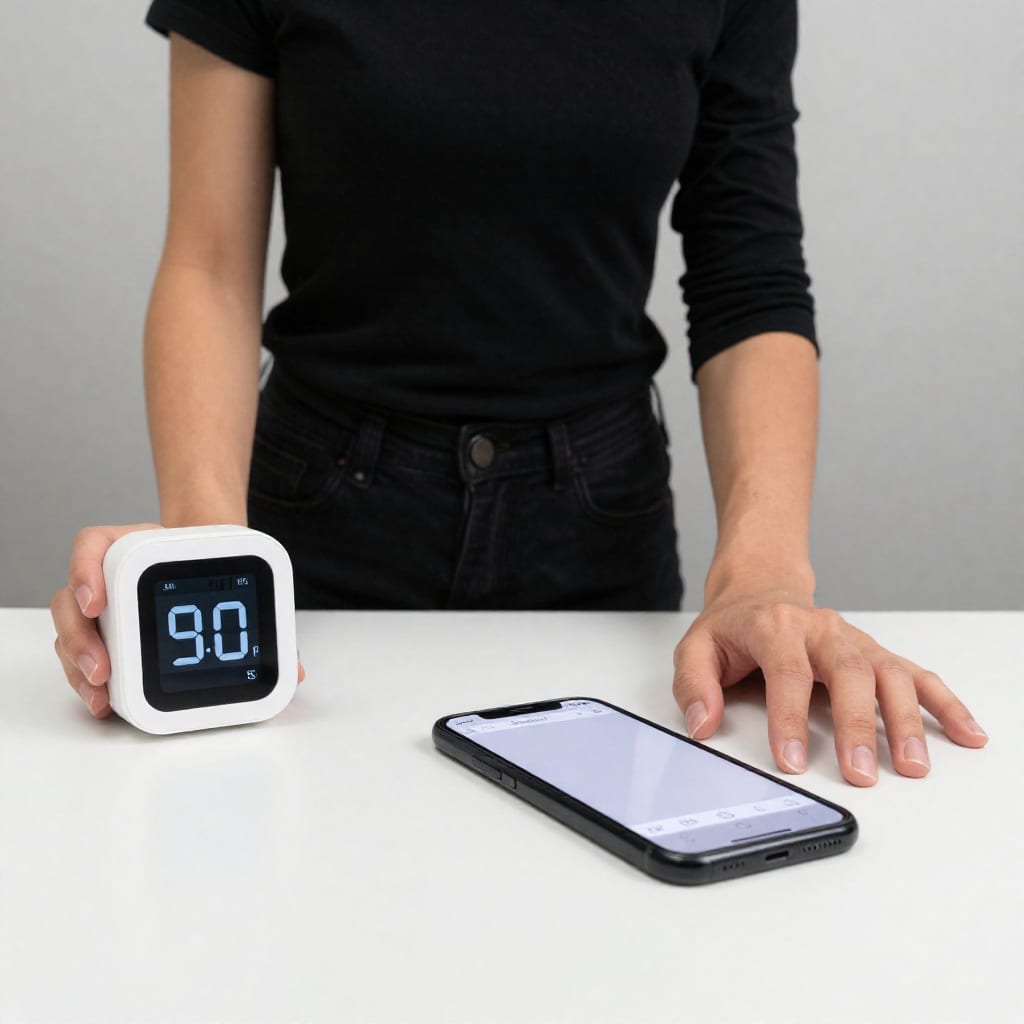
I started setting a timer for 90 minutes of focused work—no phone, no email, no tabs open except the one I needed. When the timer went off, I stopped, even if I was mid-sentence. Then I'd take a 15–20 minute break: walk around, stretch, get water. No screens. The first week, I fought the urge to keep going. But by week two, I found myself finishing complex tasks in one block that used to take me three hours of distracted, coffee-fueled effort. The key is respecting the dip—don't fight it, rest it.
3. Strategic Movement Breaks That Reset Your Mental Bandwidth
I'm not talking about a 30-minute gym session. I'm talking about 5–10 minutes of specific, low-intensity movement that triggers brain-derived neurotrophic factor (BDNF)—a protein that supports neuron growth and sharpens focus. My go-to? Walking backward on a flat surface for 3 minutes (it forces your brain to coordinate in a novel way), followed by 10 slow arm circles and 10 ankle rotations each direction. Sounds ridiculous, but it works.
One afternoon during a particularly foggy slump, I did this routine in my hallway. By the fourth minute, my head felt clearer—not buzzy, just present. The difference between this and a caffeine boost is night and day: caffeine gives you a false sense of energy that depletes reserves; movement triggers actual repair and alertness. I now schedule these breaks every 90 minutes, right after my work block ends. My wife jokes that I look like I'm warming up for a weird sport, but she's started doing it too.
4. Hydration and Electrolytes: The Forgotten Focus Hack
Here's a number that stunned me: losing just 1–2% of your body's water content can impair attention, working memory, and decision-making as much as being legally drunk in some cognitive tests. I used to think I was hydrating enough—I'd sip water throughout the day. But I wasn't tracking it, and I definitely wasn't replacing electrolytes.
I started a simple protocol: 16 ounces of water with a pinch of pink salt and a squeeze of lemon within 30 minutes of waking (before coffee, back when I drank it). Then another 16 ounces with lunch, and 16 ounces with dinner. That's it. No fancy bottles, no alkaline water. The salt provides sodium and chloride, which help your neurons fire efficiently. Within a week, my afternoon brain fog dropped by about 70%. One caveat: if you have high blood pressure, check with your doctor before adding salt. But for most people, this is the cheapest, most effective focus tool you're ignoring.
5. Cold Exposure (The Quick Shower Trick) to Wake Up Your Brain
This one I was skeptical about. But I tried it on a dare from a friend: at the end of my warm shower, I turned the handle to cold—as cold as it goes—and stood under it for 30 seconds. The first time, I let out an involuntary yelp. But by the time I dried off, my brain felt like it had been rebooted. That's because cold exposure triggers a surge of norepinephrine, a neurotransmitter that heightens alertness and focus without the jittery side effect of caffeine.
The protocol is simple: start with 15 seconds of cold at the end of your shower, breathing slowly. Work up to 30–60 seconds over two weeks. Never do it if you have heart conditions, Raynaud's, or are pregnant—skip this one entirely. But if you're healthy, it's a free, quick way to snap your brain awake. I now use it as a midday reset when I feel the 2 PM slump creeping in. One 30-second blast, and I'm back to sharp without touching a stimulant.

6. The Digital Distraction Audit: Focus First, Then Work
I realized my biggest focus problem wasn't my brain—it was my phone. Every notification, every tab, every