Eat the Seasons: 7 Easy Tips for Better Nutrition All Year
Last June, I stood in my kitchen with a single, perfect peach—so ripe the juice beaded on the skin—and realized I’d been eating the same three fruits for six months. Apples, bananas, and oranges, every single day. That peach was a revelation: it tasted like summer, it made me feel lighter, and it was packed with a different set of nutrients than my usual rotation. That’s when I started digging into tips for eating more seasonal foods for nutritional variety. Here’s what I learned—and how you can do the same without overhauling your life.
Why Seasonal Eating Boosts Your Nutritional Variety (Without Extra Effort)
The core reason seasonal eating works for nutrition is simple: nature designed each season’s produce to deliver the vitamins and minerals your body needs at that time of year. Spring greens are packed with folate and vitamin K—perfect for post-winter detox. Summer berries flood you with antioxidants that protect sun-exposed skin. Fall squash delivers beta-carotene for immune support as days shorten. Winter citrus offers vitamin C when colds circulate.
But the real magic is nutritional variety through seasonal produce. When you eat what’s in season, you’re forced to rotate through different plant families, which means a broader spectrum of phytonutrients, fiber types, and micronutrients. One study from the University of California found that broccoli grown in its natural season had nearly twice the vitamin C content as off-season imported broccoli. That’s not a small difference—that’s a serious nutritional upgrade just by timing your plate.
And here’s the kicker: it takes almost zero extra effort. You don’t need to count phytonutrients or memorize charts. Just let the farmers’ market or your local grocery’s seasonal display guide you. The variety happens automatically. I’ve been doing this for two years now, and I’ve noticed my energy stays more even through the year, and I crave a wider range of foods—no more bored-of-the-same-salad blues.
Tip 1: Shop the Farmers’ Market with a ‘Rainbow’ Rule
My first actionable tip is the one that changed everything: shop at your local farmers’ market with a “rainbow” rule. Every week, I challenge myself to pick at least one item from each color group—red, orange/yellow, green, blue/purple, and white/brown. This isn’t a gimmick; it’s backed by research showing that different pigments correspond to different protective compounds. Lycopene in red tomatoes, beta-carotene in orange carrots, lutein in green kale, anthocyanins in purple eggplants—you get the mix.
On my first rainbow market trip, I grabbed: red bell peppers, yellow summer squash, a bunch of deep-green Swiss chard, purple potatoes (yes, they exist), and cauliflower. I roasted them all together that night with olive oil and garlic. The result? A dinner that looked like a painting and tasted like every color had its own personality. My kids even ate the purple potatoes without complaint because they looked “fun.”
The rule is simple: if your cart has at least three colors, you’re already diversifying. Aim for five, and you’re a nutrition rockstar. This single habit alone delivers massive nutritional variety through seasonal produce because the colors naturally shift with the seasons—spring brings greens and pinks, fall brings oranges and deep reds.
Tip 2: Rotate Your Vegetables by Season (And Why You Should)
Most of us fall into a vegetable rut—broccoli every Tuesday, spinach every salad. But rotating your vegetables by season changes the game. I created a simple seasonal vegetable list taped to my fridge: spring (asparagus, peas, artichokes, radishes), summer (zucchini, eggplant, tomatoes, green beans), fall (pumpkin, Brussels sprouts, sweet potatoes, kale), winter (cabbage, parsnips, turnips, celery root). Each season, I swap out my go-to veggies for that season’s stars.
Why does this matter for nutrition? Different vegetable families offer different fiber profiles and micronutrients. Cruciferous vegetables (broccoli, cabbage, kale) are rich in sulforaphane, while root vegetables (carrots, beets) provide slow-digesting carbs and vitamin A. Rotating through them ensures your gut microbiome gets diverse prebiotic fibers, which supports better digestion and immune function.
I’ll be honest—the first time I tried to cook celery root, I had no idea what to do. I peeled it, diced it, and roasted it like a potato. It was earthy and slightly sweet, and I felt like a culinary explorer. That’s the point: each season forces you to learn one or two new veggies, which keeps meals interesting and your nutrient intake broad. A seasonal vegetable rotation isn’t just a nutrition tip—it’s an adventure.
Tip 3: Freeze and Ferment to Extend the Season’s Bounty
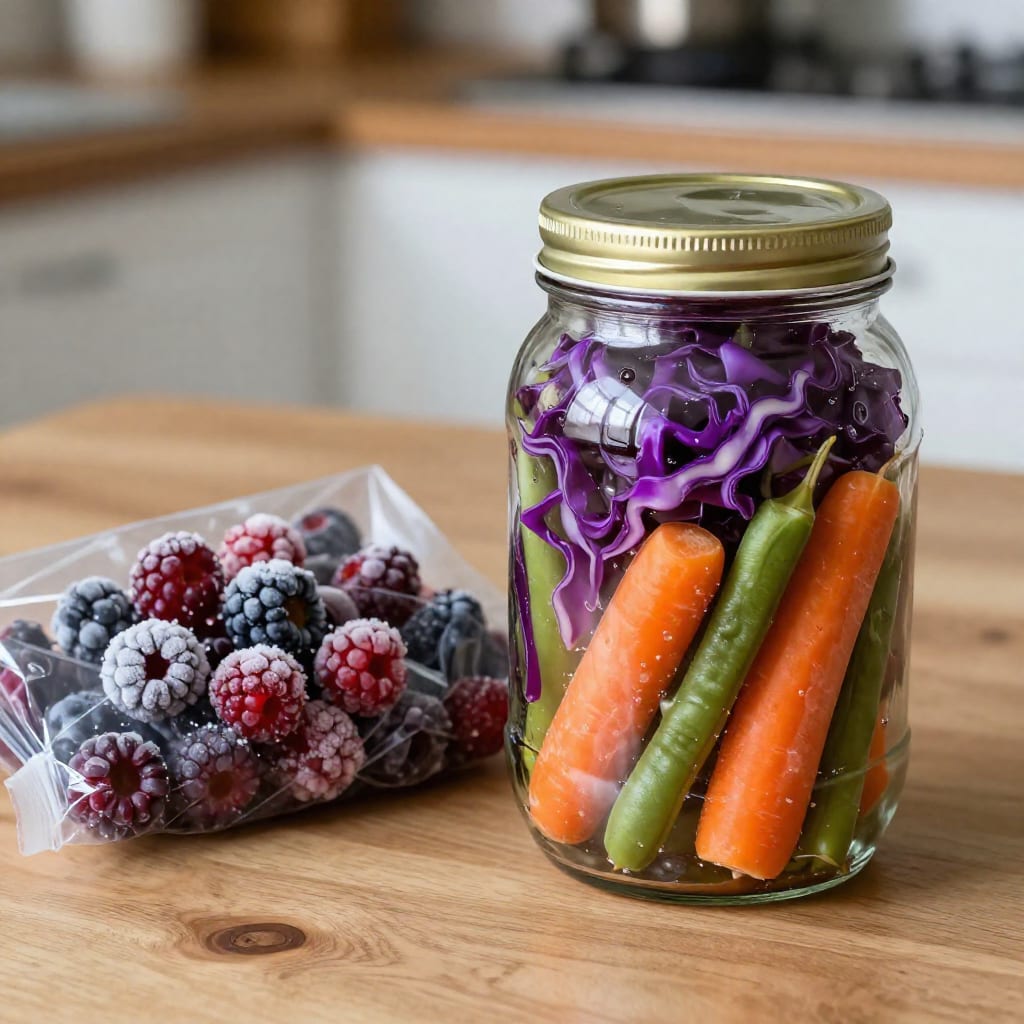
One of the biggest concerns I hear is: “But what about winter? There’s nothing fresh.” That’s where freezing seasonal produce for nutrition and fermentation come in. I learned this the hard way: one August, I bought a huge box of peaches at the market, couldn’t eat them fast enough, and half rotted. Now I slice and freeze them on a baking sheet, then transfer to bags. Frozen peaches are a godsend in January—they taste like summer in my morning oatmeal, and they retain most of their vitamin C because they’re flash-frozen at peak ripeness.
Fermentation is another secret weapon. I started making simple sauerkraut with fall cabbage and carrots, and it lasts months in the fridge. Fermented foods add probiotics, which enhance nutrient absorption from everything else you eat. Plus, they’re a great way to use up a surplus of seasonal veggies. My go-to is a batch of “rainbow kraut” with red cabbage, grated beets, and ginger—it’s beautiful, tangy, and loaded with gut-friendly bacteria.
For berries, I freeze them whole and toss them into smoothies or yogurt year-round. For tomatoes, I roast a big batch and freeze in portions—perfect for winter pasta sauces. These methods let you enjoy nutritional variety through seasonal produce even when the ground is frozen. The trick is to do a “preservation session” once a month during peak season. Set aside an hour, and you’ll have a pantry full of nutrient-dense options.
Tip 4: Use a Seasonal Fruit Calendar for Snack Swaps
Snacking is where most of us lose the nutrition battle. We reach for apples and bananas because they’re always available. But a seasonal fruit calendar can transform your snack game. I printed one from a local extension service and stuck it on my fridge. In spring, it lists strawberries and rhubarb; summer, peaches and plums; fall, pears and apples; winter, citrus and persimmons.
Here’s how I use it: when I feel a snack craving, I check the calendar and grab whatever’s in season. If it’s late September, I reach for a crisp Asian pear instead of a banana. In June, I’ll grab a handful of cherries. This simple swap increases your intake of vitamin C, antioxidants, and fiber—and it tastes better because the fruit is at its peak sweetness. I’ve found that seasonal fruit often satisfies my sweet tooth more than candy, so I actually crave it.
One surprising win: I swapped my afternoon apple for a fresh fig in August. Figs are packed with calcium, potassium, and fiber—things apples don’t have in the same amounts. That one swap added a whole new nutrient profile to my day. A seasonal fruit calendar makes these swaps effortless because you know exactly what to look for.
Tip 5: Cook One ‘New’ Seasonal Ingredient Each Week
This tip is my favorite because it’s low-commitment but high-reward: cook one new seasonal ingredient each week. It doesn’t have to be exotic—just something you’ve never prepared before. I started with kohlrabi, which looks like an alien spaceship but tastes like a mild, crunchy broccoli stem. I sliced it thin and added it to a salad. Then I tried fennel (licorice-flavored? Actually amazing roasted). Then Jerusalem artichokes (nutty, creamy, perfect in soups).
Each new ingredient expands your nutrient repertoire. Kohlrabi is high in vitamin C and potassium. Fennel provides anethole, a compound with anti-inflammatory properties. Jerusalem artichokes are rich in inulin, a prebiotic fiber. Over a year, that’s 52 new foods—a massive boost to your nutritional variety through seasonal produce.
I keep a list on my phone of every new seasonal ingredient I try, along with a one-sentence note on how I cooked it. It’s become a mini food diary that reminds me how far I’ve come from the apple-banana-orange rut. And honestly, it’s fun. The week I discovered how to roast Romanesco broccoli—it turns nutty and sweet—I couldn’t stop telling everyone.
Tip 6: Pair Seasonal Produce with Complementary Proteins for Balanced Meals
Eating seasonally isn’t just about produce—it’s about building complete meals. I learned that seasonal produce and protein pairing can make your meals more balanced and satisfying. For example, spring asparagus pairs beautifully with eggs (think frittata) for a protein- and vitamin-K-rich breakfast. Summer tomatoes and basil are classic with mozzarella, but I also love them with grilled chicken or chickpeas. Fall butternut squash goes with sage and white beans for a hearty, plant-based protein bowl.
The trick is to match the season’s flavors with proteins that complement them. In summer, lighter proteins like fish or tofu work well with bright, acidic vegetables. In winter, heartier proteins like beef or lentils stand up to root vegetables and squashes. This natural pairing ensures you get a full amino acid profile and a balance of macronutrients, which supports steady energy and satiety.
I tested this one winter: I made a bowl with roasted sweet potatoes, kale, and black beans, seasoned with cumin and smoked paprika. The sweetness of the potatoes balanced the earthy beans, and the kale added a bitter note that made the whole thing craveable. It was a balanced meal with seasonal foods that kept me full for hours. Pairing produce and protein doesn’t have to be complicated—just think, “What grows together goes together.”
Tip 7: Grow a Small Seasonal Herb Garden (Even on a Windowsill)
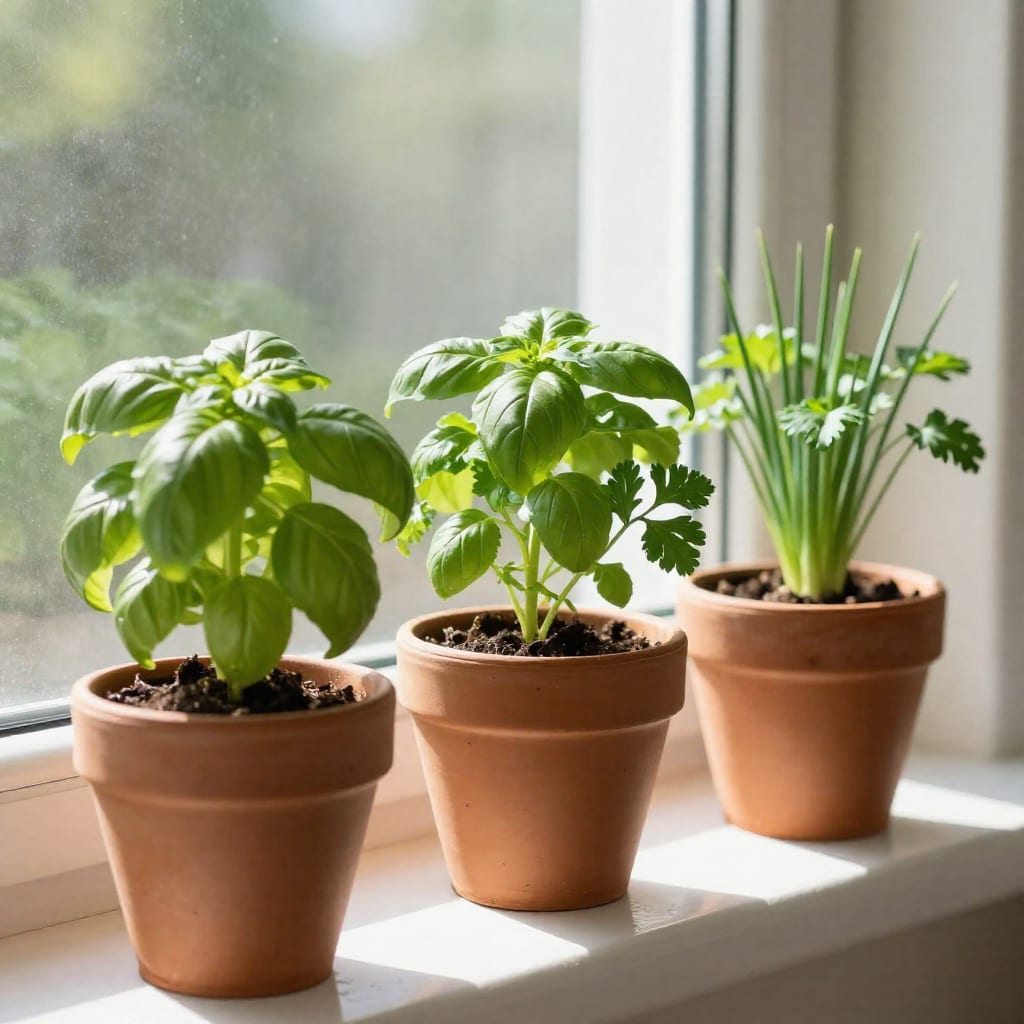
My final tip is the most accessible: grow a small seasonal herb garden, even if it’s just three pots on a windowsill. Fresh herbs are nutritional powerhouses—basil is rich in vitamin K and antioxidants, parsley is full of vitamin C and iron, chives add allicin (a compound linked to heart health). And they’re the easiest way to make any dish taste seasonal without much work.
I started with a single basil plant from a nursery. It sat on my kitchen windowsill, and within two weeks, I was adding fresh basil to everything—pasta, salads, even scrambled eggs. That tiny plant gave me a steady supply of fresh greens all summer. In fall, I replaced it with parsley and chives, which thrive in cooler weather. The cost? About $5 per plant, and they last for months. A small herb garden for seasonal cooking is the ultimate low-effort, high-nutrition hack.
If you don’t have a windowsill, try a small pot on a balcony or kitchen counter. Even just one herb makes a difference. I’ve found that having fresh herbs changes my cooking—I use less salt and more flavor, and I’m more likely to eat a vegetable-heavy dish. It’s a tiny step that pays off in nutritional variety through seasonal produce every single day.
Frequently Asked Questions About Seasonal Eating and Nutrition
What does 'eating seasonally' actually mean for my nutrition?
It means choosing produce that is naturally harvested at its peak in your region, which often contains more vitamins and antioxidants than out-of-season imports, and naturally diversifies your diet over the year.
Can frozen seasonal vegetables really provide the same nutritional variety as fresh?
Yes, frozen produce is typically flash-frozen at peak ripeness, locking in nutrients. It's a great way to maintain nutritional variety when fresh seasonal options are limited.
How do I know which fruits and vegetables are in season in my area?
Check online seasonal food guides for your region, visit local farmers' markets, or use apps like Seasonal Food Guide. Look for produce that's abundant and locally grown.
What if I don't like many seasonal vegetables—can I still get variety?
Absolutely. Start with one or two new seasonal items each week, prepared in simple ways (roasted or in soups). Pair them with familiar flavors to ease into variety.
Is seasonal eating more expensive than buying out-of-season produce?
Often it's cheaper because local seasonal produce has lower transport and storage costs. Bulk buying at peak season and freezing can also save money while boosting nutritional variety.
Your next step: Pick one tip from this list and try it this week. Maybe it’s the rainbow rule at the market, or freezing a batch of summer berries. The goal isn’t perfection—it’s progress. Seasonal eating is a gentle, delicious way to improve your nutrition without counting a single thing. And that peach I started with? It taught me that the best nutrition advice often comes from the simplest source: the earth itself. So go ahead—eat the seasons, and let your plate be your guide.