7 Smart Tips for Healthy Eating During Pregnancy, First-Time Mom Edition
I remember sitting on my couch at eight weeks pregnant, staring at a bowl of plain oatmeal and wondering if I was already failing. The internet told me to eat kale smoothies, avoid soft cheese, take fifteen different supplements, and somehow not gain “too much” weight. I had zero energy, my stomach churned at the smell of coffee, and the only thing I actually wanted was saltines. If you’re a first-time mom feeling that same swirl of confusion and guilt, I see you. Here’s the truth I learned the hard way: healthy eating during pregnancy isn’t about perfection. It’s about small, smart choices that actually fit your life. This guide is built for beginners—seven tips that won’t make you cry in the grocery aisle.
I’m not a doctor or a dietitian. I’m a mom who spent nine months figuring out what worked, what didn’t, and what I wish someone had told me from the start. These tips for healthy eating during pregnancy for first-time mothers are practical, honest, and designed to keep your sanity intact.
Tip 1: Start with Small Swaps, Not a Complete Overhaul
When I first got pregnant, I tried to overhaul my entire diet in one weekend. I bought chia seeds, spirulina powder, and a juicer. By Tuesday, I was back to frozen pizza. That’s when I realized: sustainable change comes from tiny, painless swaps, not a kitchen revolution.
Pick one or two everyday items to upgrade. Swap white bread for whole-grain toast at breakfast. Replace your afternoon soda with sparkling water infused with lemon or cucumber slices. Use plain Greek yogurt instead of sour cream on a baked potato. These feel almost effortless, but they add up. Over a week, you’ve boosted fiber, protein, and hydration without a single meal-prep marathon.
The key is to make the swap automatic. Store the whole-grain bread at eye level in your pantry. Keep a pitcher of infused water in the fridge door. Your future self—exhausted, nauseous, or just plain busy—will thank you for removing friction. For a first-time mom, this is the single most doable step toward a healthier pregnancy diet.
Tip 2: Prioritize Protein in Every Meal and Snack
Protein was the unsung hero of my pregnancy. It kept my blood sugar stable, curbed the 3 p.m. energy crash, and gave my baby the building blocks for growth. But I didn’t need to eat a steak every night. I found simple, first-time-mom-friendly sources that required zero cooking skills.
Greek yogurt became my go-to breakfast—plain, with a handful of berries and a drizzle of honey. Hard-boiled eggs lived in my fridge for grab-and-go snacks. Cottage cheese with canned peaches was a lunch that took thirty seconds. Lentil soup from a can? Totally fine, just rinse the lentils first to cut sodium. Even a handful of almonds or a glass of milk counts.
Here’s a mini meal idea that saved me: a whole-grain tortilla, spread with hummus, stuffed with shredded rotisserie chicken and spinach. Roll it up, eat it cold. That’s protein, fiber, iron, and calcium in one hand-held package. Aim to include a protein source at every meal and most snacks. Your body will reward you with steady energy and fewer cravings.
Tip 3: Focus on Three Key Nutrients—Folate, Iron, and Calcium
Prenatal vitamin ads will try to sell you on a dozen different nutrients. But if you’re overwhelmed, zero in on three that do the heavy lifting: folate, iron, and calcium. These are the non-negotiables for baby’s neural tube development, blood supply, and bone growth.
Folate is easy to sneak in. Spinach disappears into a fruit smoothie with banana and mango—you won’t taste it. Fortified breakfast cereals are another simple source; pour a bowl and you’re done. Iron can be trickier because many natural sources (like spinach) are poorly absorbed. Pair them with vitamin C: squeeze lemon on your lentil soup, or eat an orange with your iron-fortified cereal. Red meat in moderation works, too. Calcium is straightforward: yogurt, cheese, milk, or calcium-fortified plant milks. I made a yogurt parfait (Greek yogurt + berries + a sprinkle of fortified cereal) my afternoon ritual.
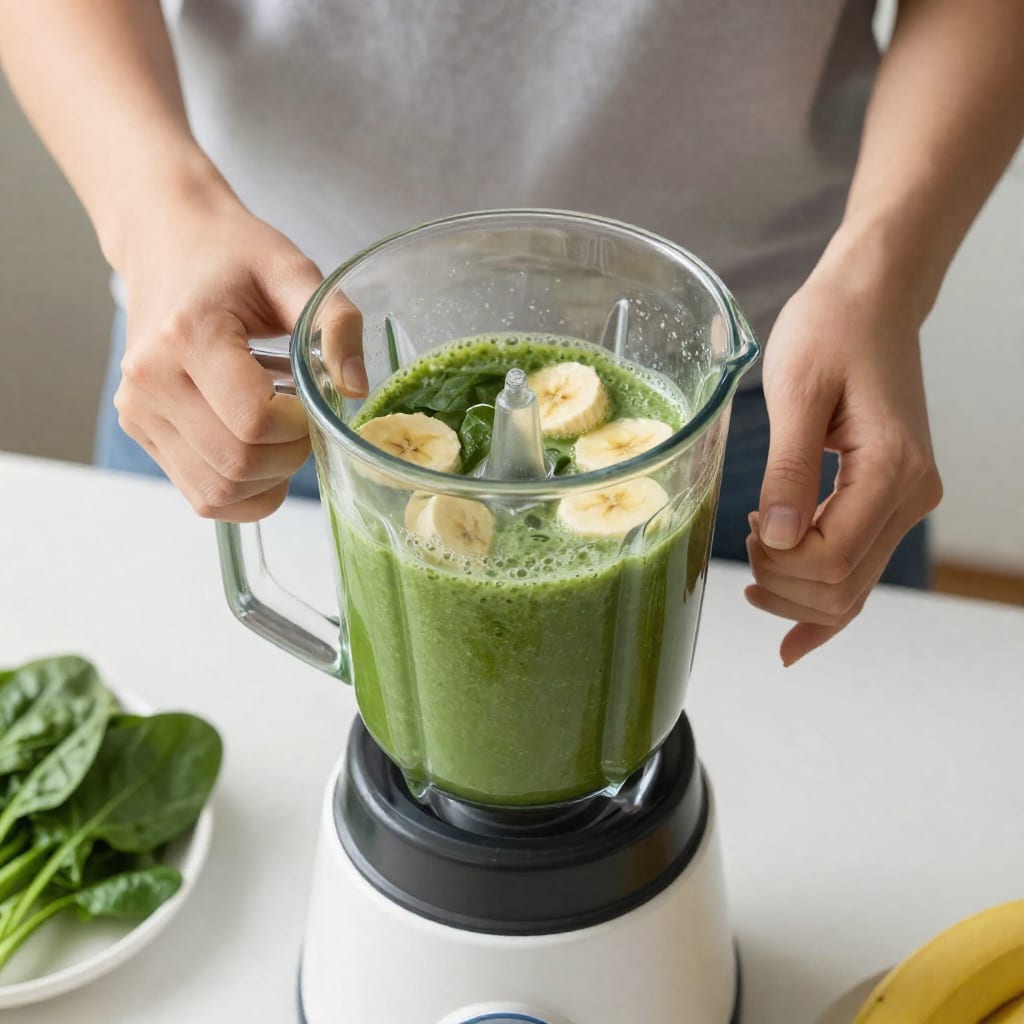
One trade-off I learned: don’t take your calcium supplement at the same time as iron, because calcium can block iron absorption. Space them out—calcium with dinner, iron with breakfast. Small timing tweaks make a big difference. If you’re unsure about your levels, ask your provider to check your iron and vitamin D at your next blood draw.
Tip 4: Learn to Listen to Hunger and Fullness Cues (Without Guilt)
First trimester, I was nauseous and barely ate. Second trimester, I was ravenous. Third trimester, I was full after three bites. My appetite felt like a chaotic mess, and I spent weeks feeling guilty about every single choice. Then I learned a simple trick: pause before eating and ask yourself, “On a scale of 1 to 10, how hungry am I?” Aim to eat when you’re around a 3 or 4 (moderately hungry) and stop when you’re around a 6 or 7 (comfortably satisfied, not stuffed).
This isn’t about rigid rules. It’s about noticing. When a craving hits—say, a sudden urge for chocolate—take a moment. Am I actually hungry, or am I tired, bored, or emotional? Often, a glass of water or a short walk can shift the craving. But if you’re genuinely hungry, eat. Cravings are not moral failures. I gave myself permission to have a small piece of dark chocolate most afternoons, and I never once binged on an entire bag.
Remember: your body is building a human. It’s okay to eat more than usual. It’s okay to eat less. Trust your cues, and let go of the guilt. Consistency over time matters far more than any single meal.
Tip 5: Hydrate Like It's Your Job—But Make It Easy
Dehydration during pregnancy can masquerade as hunger, cause headaches, and even trigger Braxton Hicks contractions. I learned this the hard way after a long afternoon of errands left me with a pounding headache and a false alarm panic. Now, I’m a hydration evangelist.
Your fluid needs increase to support your increased blood volume and amniotic fluid. Aim for about 8 to 10 cups of fluid per day (including water, herbal tea, and water-rich foods like cucumbers and watermelon). Make it easy: get a water bottle with time markings, so you know if you’re on track by noon. Or add flavor with cucumber, mint, lemon, or frozen berries. Herbal teas like ginger or peppermint count, too—just avoid those with caffeine or ingredients like licorice root.
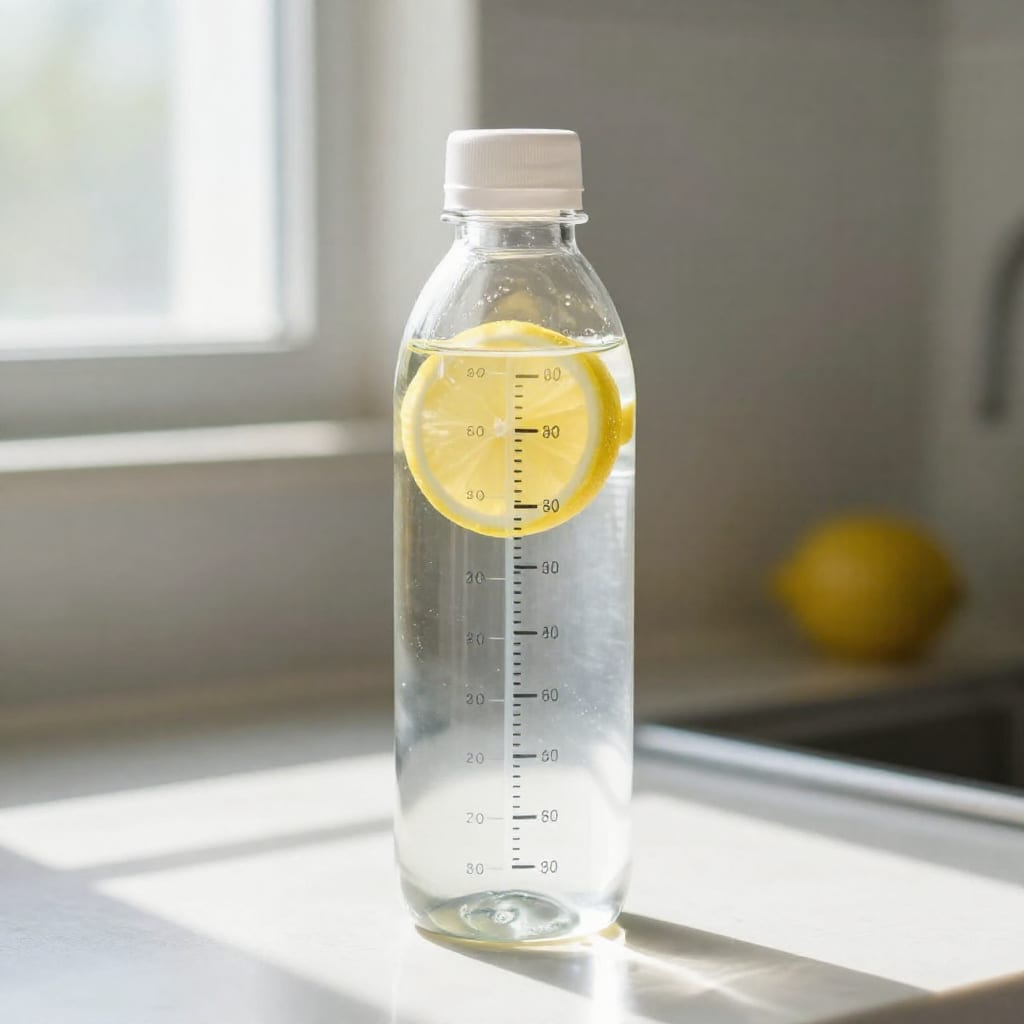
If you’re sick of plain water, try sparkling water with a splash of juice. Or eat your hydration: watermelon, oranges, and broth-based soups are excellent sources. Keep a glass on your nightstand and sip when you wake up. Your skin, digestion, and energy levels will all sing.
Tip 6: Stock Your Pantry and Fridge for 'No-Brainer' Meals
The best diet plan is the one you can execute when you’re too tired to think. That means stocking your kitchen with staples that require zero decision-making. My go-to formula for a quick, balanced meal: protein + veg + carb + fat. Here’s what that looks like in practice.
Pantry heroes: canned beans (rinsed), whole-wheat pasta, jarred marinara (low-sodium), quinoa, nuts, seeds, and oats. Fridge heroes: pre-washed salad greens, pre-cut veggies (bell peppers, carrots, broccoli), shredded cheese, Greek yogurt, eggs, and rotisserie chicken. Freezer heroes: frozen berries, frozen spinach, frozen edamame, and whole-grain bread.
Five-minute meal example: open a can of black beans, microwave, and serve over a bed of pre-washed spinach with a dollop of Greek yogurt and a sprinkle of shredded cheese. That’s protein, iron, calcium, fiber, and veggies in about three minutes. Another: whole-wheat pasta with jarred marinara and a handful of frozen spinach stirred in—top with shredded chicken and Parmesan. No chopping, no planning, no stress.
I also kept a jar of trail mix on my desk for emergency hunger. The key is to remove barriers: pre-wash, pre-cut, pre-cook. Future you will be grateful.
Tip 7: Give Yourself Grace—One 'Off' Meal Doesn't Ruin Anything
I had a day in my second trimester where I ate a slice of pizza for lunch, a handful of cookies for a snack, and a bowl of mac and cheese for dinner. I felt like a failure. But here’s what I learned: one meal doesn’t define your pregnancy nutrition. What matters is what you do most of the time, not every single bite.
Think of it like driving. If you take one wrong turn, you don’t abandon the car and walk. You just recalculate. Same with eating. Had pizza for dinner? Okay. Next breakfast: eggs with spinach and a side of fruit. You’re back on track. The goal is consistency, not perfection. And if you’re struggling with severe morning sickness or food aversions, give yourself even more grace. Survival mode is real. Just do what you can.
I eventually stopped beating myself up and started focusing on the big picture: nourishing my baby and myself in a way that felt sustainable. That meant allowing occasional treats, skipping the guilt, and celebrating small wins—like remembering to take my prenatal vitamin or drinking an extra glass of water.
Frequently Asked Questions
How many extra calories do I really need during pregnancy?
Most first-time moms need about 300-350 extra calories per day in the second and third trimesters—roughly the size of a small apple with peanut butter or a Greek yogurt with berries. Your body is efficient; you don't need to 'eat for two' in quantity.
What if I have severe morning sickness and can't keep anything down?
Focus on staying hydrated (small sips of water, ginger tea, or electrolyte drinks) and eating bland, easy-to-digest foods like crackers, plain rice, or applesauce. If vomiting is frequent, contact your healthcare provider—they may recommend vitamin B6 or other safe options.
Are there any foods I should completely avoid?
Yes, avoid raw or undercooked meat/fish/eggs, unpasteurized dairy, high-mercury fish (shark, swordfish, king mackerel), and deli meats unless heated to steaming. Also limit caffeine to under 200 mg per day (about one 12-oz coffee).
I'm craving sweets constantly—should I give in?
It's okay to enjoy sweets in moderation; completely restricting often backfires. Try pairing a small treat with protein or fiber (e.g., dark chocolate + almonds) to stabilize blood sugar and feel more satisfied.
Do I need a prenatal vitamin if I'm eating healthy?
Yes, prenatal vitamins are a safety net, not a substitute for food. They ensure you get key nutrients like folic acid, iron, and DHA even on days when your diet isn't perfect. Think of them as insurance, not a meal replacement.
Practical Takeaway
Healthy eating during pregnancy doesn’t require a complete life overhaul. Start with one small swap, prioritize protein and key nutrients, listen to your body, stay hydrated, and stock your kitchen for easy wins. Give yourself grace when you slip—because you will, and that’s okay. You’re building a human, and you’re doing great. Bookmark this guide for those days when you need a reminder: you’ve got this.