5 Tips for Maintaining a Healthy Gut During Antibiotic Use, Backed by Science
I learned this lesson the hard way after a course of amoxicillin for a stubborn sinus infection left me with three weeks of bloating, loose stools, and a general sense that my digestive system had gone on strike. That experience sent me down a rabbit hole of research—and a fair bit of trial and error—to figure out how to keep my gut intact the next time antibiotics were unavoidable. What I found is that a handful of science-backed strategies can make a real difference, and I’ve been using them ever since. Here are five tips for maintaining a healthy gut during antibiotic use that actually work, based on what the research says and what I’ve tested myself.
Why Antibiotics Disrupt Your Gut (And Why It Matters)
Antibiotics are like a targeted bomb—they’re designed to kill the bacteria causing your infection, but they don’t discriminate between the bad guys and the trillions of good bacteria living in your gut. This collateral damage is called gut dysbiosis, an imbalance in your microbiome that can lead to diarrhea, bloating, and even longer-term issues like reduced immune function or increased susceptibility to infections like C. difficile. A 2020 review from the National Institutes of Health highlighted that even a single course of antibiotics can reduce microbial diversity for months, with some species never fully recovering without deliberate support.
That’s not meant to scare you—it’s just the reality of how these powerful drugs work. The key is that you’re not helpless. Your microbiome is resilient, and with the right habits, you can minimize the blow and speed up recovery. This is exactly where tips for maintaining a healthy gut during antibiotic use come into play, and many of them cost little more than a trip to the grocery store or a small supplement purchase. Remember: finishing your antibiotic course is non-negotiable—stopping early can breed resistance—but what you do alongside it is entirely in your control.
Tip #1: Take Probiotics—But Timing Is Everything
Probiotics are the poster child for gut health during antibiotics, and for good reason. A 2018 meta-analysis of 42 randomized controlled trials found that probiotics reduced the risk of antibiotic-associated diarrhea by about 42%. But here’s the catch I learned from my own mistake: you can’t just swallow a probiotic capsule with your morning antibiotic and expect it to help. If you do, the antibiotic will kill the beneficial bacteria before they even reach your colon.
The science-backed timing rule is to take your probiotic at least two to three hours apart from your antibiotic dose. I set a phone alarm for 11 a.m. (my antibiotic was at 8 a.m. and 8 p.m.) and took my probiotic then. This gap allows the live cultures to survive stomach acid and settle in your gut without being wiped out. Strains matter too. Look for a supplement containing Lactobacillus rhamnosus GG or Saccharomyces boulardii—these have the strongest evidence for reducing diarrhea and supporting microbiome diversity during treatment. I personally switched to a brand that lists both on the label after my first failed attempt with a generic supermarket probiotic, and the difference was night and day.
One more nuance: don’t assume more is better. Stick with the dose on the label—usually one capsule daily. Overloading your gut with massive doses hasn’t been shown to improve outcomes and can cause gas or bloating. And if you’re immunocompromised or have a central line, check with your doctor first, because live probiotics carry a tiny risk for those groups.
Tip #2: Feed Your Good Bacteria with Prebiotic Fiber
Probiotics are the soldiers, but prebiotics are their food—and if you don’t feed them, they won’t thrive. Prebiotics are non-digestible fibers that selectively stimulate the growth of beneficial bacteria like Bifidobacteria and Lactobacilli. During antibiotics, your microbiome is under siege, so giving it the right fuel can help the survivors repopulate faster.
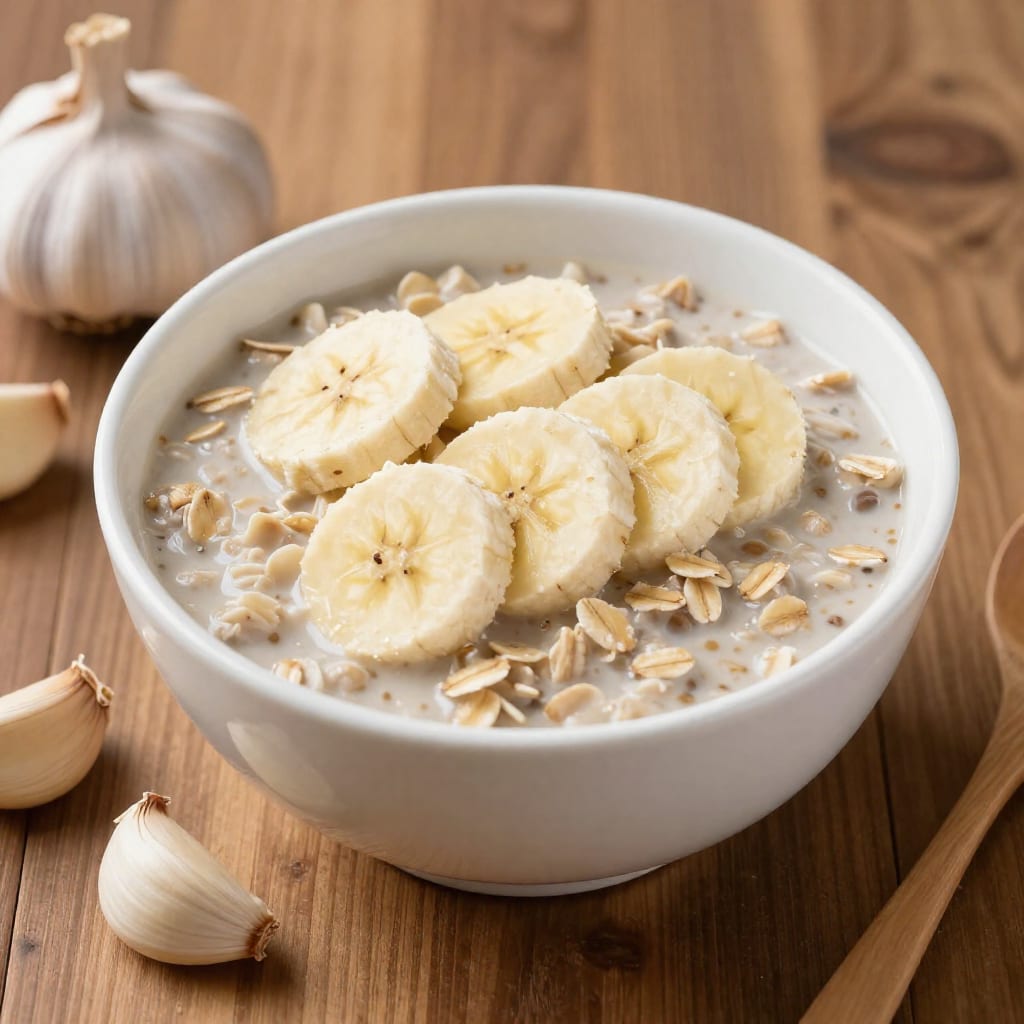
I started eating a bowl of oatmeal with sliced banana every morning during my last antibiotic course. Oats are rich in beta-glucan, a prebiotic fiber, and bananas provide inulin and resistant starch. Other easy options include cooked and cooled potatoes (resistant starch forms as they cool), garlic, onions, leeks, asparagus, and Jerusalem artichokes. Aim for about five to ten grams of prebiotic fiber spread across the day—no need to go overboard. A sudden huge increase can cause gas or discomfort, especially if your gut is already irritated, so I added these foods gradually over three days.
Here’s a counter-intuitive point that surprised me: some people worry that fiber will make antibiotic side effects worse, especially if they’re already dealing with loose stools. In reality, soluble prebiotic fiber—like the kind in oats and bananas—can actually bind excess water and firm things up. Insoluble fiber (think wheat bran) might be more irritating, so stick with soluble sources during the treatment window. This small distinction made a big difference in my own comfort level.
Tip #3: Say Yes to Fermented Foods (Not Just Yogurt)
Probiotic supplements are convenient, but fermented foods offer a broader spectrum of live cultures and beneficial metabolites that supplements often miss. Yogurt is the obvious go-to, but many commercial yogurts are pasteurized after fermentation (killing the live bacteria) or loaded with added sugar that can feed unwanted microbes. When I checked the labels of five popular brands at my local supermarket, only two listed “live active cultures” on the package—and those still had 12 grams of sugar per serving. My rule now: plain, unsweetened yogurt with “live active cultures” on the label, or I skip it entirely.
The real stars are kefir (a fermented milk drink that can contain up to 50 different bacterial and yeast strains), unpasteurized sauerkraut (look for it in the refrigerated section), kimchi, and miso paste. I started drinking a small glass of plain kefir each afternoon—about 150 milliliters—and added a tablespoon of sauerkraut to my lunch salad. The key is to avoid high-heat processing, which kills the beneficial cultures. Check for phrases like “unpasteurized” or “raw” on fermented vegetable products, and for kefir, make sure it’s not heat-treated after fermentation.
One thing I wish someone had told me earlier: start with small amounts. A half-cup of sauerkraut can cause bloating if your gut isn’t used to it. Begin with a tablespoon a day and increase slowly. Your taste buds might rebel at first—I hated the sourness of kefir for the first week—but after a few days, your palate adapts, and your gut will thank you.
Tip #4: Skip the Sugar and Processed Foods
This one feels obvious, but it’s worth repeating because it’s easy to let your diet slide when you’re sick. Sugar and refined carbs (white bread, crackers, soda, pastries) feed the same harmful bacteria and yeast that antibiotics can’t always clear out, potentially worsening diarrhea and bloating. A 2019 study in Cell Metabolism found that a high-sugar diet can shift the gut microbiome toward pro-inflammatory species, which is the last thing you need while your microbiome is already disrupted.
During my own course, I swapped my morning orange juice for water and my afternoon cookie for a handful of almonds. It wasn’t dramatic, but it cut my sugar intake by about 30 grams a day. I also avoided alcohol entirely—not just because it can interact with antibiotics like metronidazole, but because alcohol is a direct irritant to the gut lining. If you’re craving something sweet, try a small serving of berries or a square of dark chocolate (70% cocoa or higher), which has prebiotic-like polyphenols.
Here’s the trade-off judgment I made: I didn’t go full keto or cut all carbs. A low-FODMAP or extremely restrictive diet can actually reduce the variety of prebiotic foods you eat, which may slow microbiome recovery. The goal is to avoid excess sugar and processed junk, not to starve yourself. I found that sticking with whole foods—vegetables, lean protein, whole grains—made my gut feel stable throughout the treatment.
Tip #5: Stay the Course—Finish Your Prescription (But Plan Your Recovery)
This is the most important tip, and it’s the one I see people struggle with most. When you start feeling better—say, three days into a seven-day course—it’s tempting to stop early to “save your gut.” Don’t. Stopping antibiotics prematurely can allow the original infection to return, often with resistant bacteria that are harder to treat. The current research is clear: incomplete courses contribute to antimicrobial resistance, a global health crisis. Finish every dose as prescribed.
But once you take that last pill, your real work begins. The post-antibiotic phase is when your microbiome is most vulnerable—and most receptive to rebuilding. I continued my probiotic for four weeks after finishing the course (most studies recommend two to four weeks), and I kept up the high-fiber, fermented-food diet. I also added a few extra servings of prebiotic vegetables each day—roasted asparagus, sautéed leeks—to give my recovering bacteria a boost.
One practical tip: mark your calendar for a “gut check” two weeks after your last dose. If you’re still experiencing bloating, irregular stools, or fatigue, it may be worth a conversation with your doctor or a dietitian. Some people need a longer recovery period, and in rare cases, a stool test can identify lingering imbalances. I tracked my symptoms in a simple notebook—just a daily note on stool consistency, energy, and bloating—which helped me see that by week three, things were back to normal.
Worth bookmarking this section for your next antibiotic course: the recovery window is just as important as the treatment window. A 2021 study from the Weizmann Institute found that a diet rich in diverse plant fibers helped restore microbiome diversity faster than probiotics alone. So plan your grocery list now—stock up on oats, bananas, kefir, and sauerkraut before you even fill the prescription. That way, you’re ready to support your gut from day one.
Final takeaway: Antibiotics are a necessary tool, but they don’t have to wreck your gut. With careful timing of probiotics, a fiber-rich and fermented-food diet, and a commitment to finishing your course and supporting recovery, you can emerge with a healthier microbiome than when you started. The science backs it up, and my own bloating-free experience proves it’s doable.