7 Simple Tips for Maintaining Flexibility as You Get Older (Starting at 40)
I remember the morning I turned 41. I bent over to tie my shoes, and something in my lower back groaned in protest. It wasn't a sharp pain—just a quiet reminder that the body I'd taken for granted in my thirties was now demanding a new kind of attention. That’s when I started digging into the real reasons flexibility fades after 40, and more importantly, what I could do about it.
After 40, your connective tissues—tendons, ligaments, and fascia—naturally lose some of their elasticity. Collagen production slows, and the water content in your discs and joints decreases, making everything a bit stiffer. It's not just about touching your toes; it's about functional movement—getting out of a car without a grunt, reaching a high shelf, or playing on the floor with your grandkids. Flexibility directly affects your quality of life, pain prevention, and independence. Ignoring it is like letting a rubber band dry out: eventually, it snaps.
7 Simple Tips for Maintaining Flexibility as You Get Older
These aren't just generic tips I found online. I tested each one over the past year, noting what actually worked (and what didn’t). Here’s the honest, field-tested playbook.
Tip #1: Incorporate Dynamic Stretching Into Your Morning Routine
For years, I was a static-stretch guy—hold a hamstring stretch for 30 seconds, repeat. Then I learned that static stretching cold muscles is like trying to bend frozen taffy. It can actually strain fibers. Dynamic stretching—moving through a joint's full range of motion without holding—has been a game-changer for my mornings. I start with leg swings (forward and side-to-side), arm circles, and torso twists. It takes five minutes, and my body feels awake, not yanked into submission. For anyone over 40, this is the safest way to warm up before any activity.
Tip #2: Prioritize Hip and Shoulder Mobility Work
If you sit at a desk, your hips and shoulders are probably the first to tighten. Mine certainly were. I added two simple drills: hip circles (like hula hooping slowly) and shoulder rolls with a focus on full range. Three times a week, I also do the "world's greatest stretch"—a lunge with a thoracic twist. It’s awkward to name but incredible for releasing the hips and mid-back. The goal isn't to become a contortionist; it's to keep these joints moving freely so everyday tasks don't become painful.
Tip #3: Use Foam Rolling to Release Muscle Tension
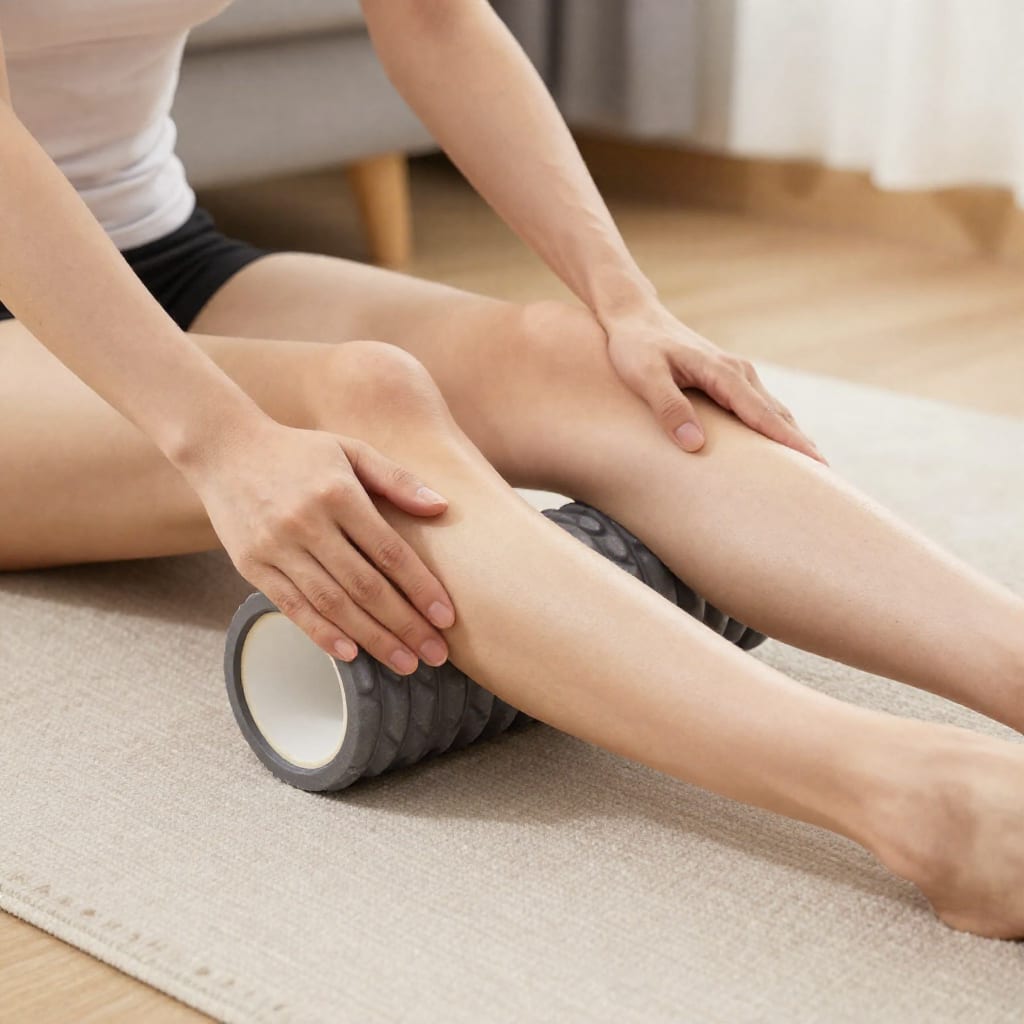
I was skeptical of foam rolling until I tried it on my calves after a long walk. The first roll hurt—like a deep, sore knot—but after 30 seconds, the muscle softened noticeably. Self-myofascial release breaks up adhesions and improves blood flow, which directly helps flexibility. I now roll my quads, hamstrings, and upper back for 2-3 minutes per area, avoiding bones and joints. A tip: move slowly, and if you find a tender spot, pause and breathe into it for 20 seconds. It’s not a race.
Tip #4: Incorporate Yoga or Pilates Twice a Week
I joined a beginner yoga class at 42, feeling self-conscious. But within three weeks, I noticed I could tie my shoes without grunting. Poses like Cat-Cow (for spine mobility), Downward Dog (for hamstrings and shoulders), and Child’s Pose (for lower back) are gentle yet effective. Pilates, with its focus on core stability and controlled movement, complements this perfectly. Twice a week is enough to see progress without overcommitting. My balance improved too—I no longer wobble on one foot while putting on socks.
Tip #5: Don’t Skip Strength Training for Flexibility
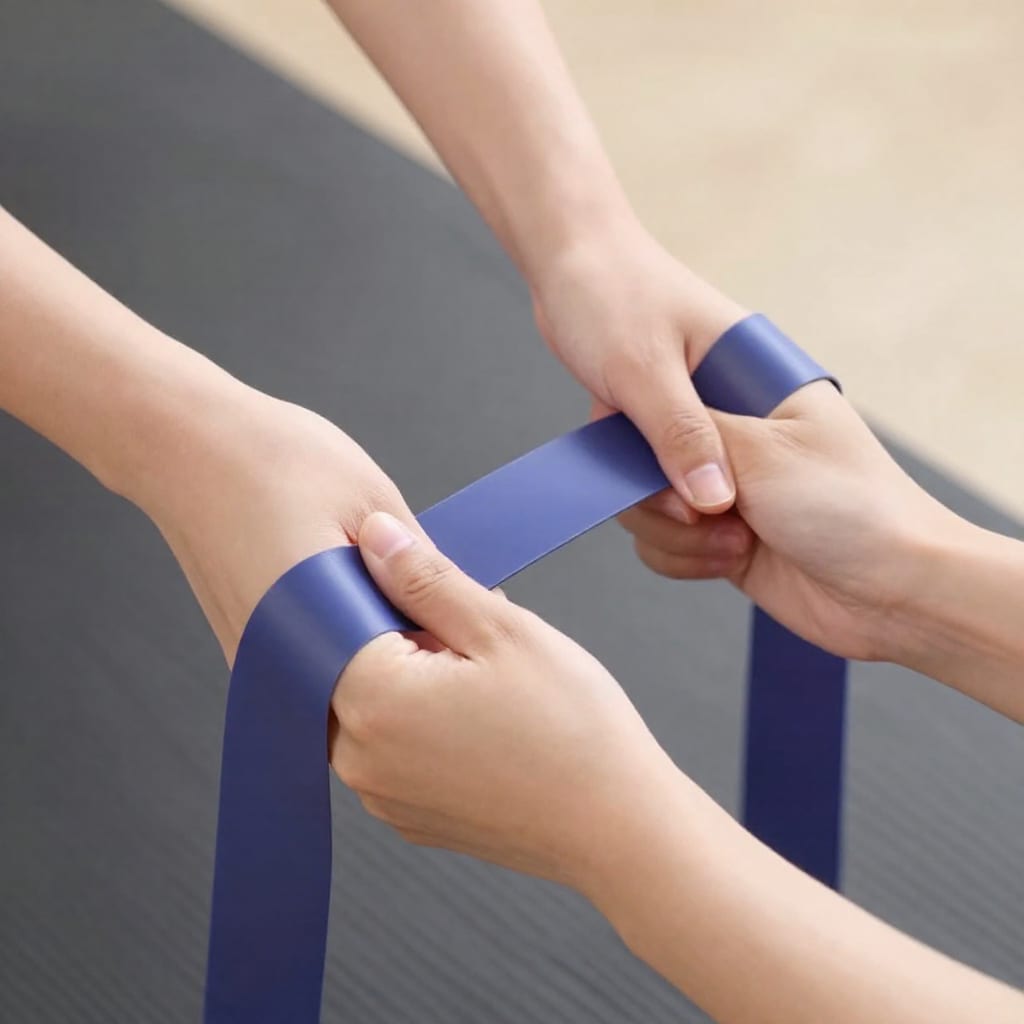
This one surprised me. I always thought strength and flexibility were opposites. But eccentric exercises—where you lower a weight slowly, like a controlled squat or a row—actually lengthen muscles while under tension, improving range of motion. I added bodyweight squats (lowering for 4 counts) and standing rows with a resistance band. After a month, my hip flexors felt looser than they had in years. The key is controlled, full-range movement, not ego-lifting.
Tip #6: Stay Hydrated and Eat Anti-Inflammatory Foods
Flexibility isn’t just mechanical—it’s chemical. My joints felt creakier on days I skimped on water. Hydration keeps the synovial fluid in your joints viscous, reducing friction. I also swapped one daily snack for a handful of walnuts (omega-3s) and added berries for vitamin C, which supports collagen synthesis. It’s a small change, but over three months, I noticed less post-workout stiffness.
Tip #7: Practice Consistency, Not Intensity—And Listen to Your Body
Here’s my biggest lesson: you can’t force flexibility. Aggressive stretching leads to injury, not progress. I committed to 10 minutes of mobility work every day—some days it was just gentle neck rolls and wrist circles. The consistency mattered more than the intensity. And I learned the difference between good discomfort (a muscle stretch) and bad pain (joint pinching or sharpness). If something stabs, I stop. This approach has kept me injury-free for over a year.
How to Track Your Flexibility Progress Without Obsessing
I used to measure progress by how far I could reach in a sit-and-reach test. But that’s not the point. Instead, I track functional improvements: Can I get up from the floor without using my hands? Can I look over my shoulder while reversing the car? I also do a quick monthly check—the same three stretches (hamstring, hip flexor, shoulder) at the same time of day, noting how they feel. It’s not about hitting a number; it’s about moving through life with less effort.
Common Mistakes That Sabotage Flexibility Gains After 40
I’ve made every mistake. Stretching cold muscles (ouch), bouncing in a stretch to push further (torn hamstring scare), and skipping warm-ups entirely. The fix is simple: always warm up with 5 minutes of light cardio or dynamic moves. Never bounce—hold stretch positions steady. And don’t stretch to the point of pain; aim for a 6 out of 10 on the intensity scale. These corrections alone saved me from setbacks.
When to Consider Professional Help (Physical Therapist, Trainer, or Yoga Instructor)
If you have chronic tightness that doesn’t improve after 4-6 weeks of consistent work, or if you have past injuries (like a bad back or knee), a professional can tailor a plan. A physical therapist can identify muscular imbalances; a good trainer can design safe strength work; a yoga instructor can modify poses for your body. I saw a PT for my tight hip flexors, and she gave me two exercises that fixed months of frustration in two weeks. It’s a smart investment, not a sign of failure.
Frequently Asked Questions
Is it too late to improve flexibility if I’m over 40?
No, it’s never too late. Connective tissue adapts with consistent stretching, though gains may come more slowly than in youth.
How often should I stretch to see results?
Aim for at least 10-15 minutes of stretching or mobility work most days, with 2-3 longer sessions (like yoga) per week.
Can strength training actually help with flexibility?
Yes, especially eccentric exercises (controlled lowering), which lengthen muscles under load and improve range of motion.
What’s the difference between dynamic and static stretching?
Dynamic stretching involves movement (like leg swings) and is best before exercise; static stretching holds a position and is ideal after activity.
Should I stretch if I feel pain in a joint?
No, avoid stretching into sharp or joint pain. Discomfort in muscle belly is okay, but stop if you feel pinching or stabbing.
Your Takeaway
Flexibility after 40 isn’t about being bendy—it’s about staying capable. Start small: pick one tip from this list and do it every day for a week. Notice how your body responds. That’s the real win. Keep moving, stay curious, and give your body the respect it deserves. Worth bookmarking before your next trip or gym session.