7 Tips for Healthy Boundaries With Alcohol That Actually Work
I’ve lost count of the number of times I told myself I’d “just have one glass” of wine at a party and ended up three deep before the appetizers came out. Sound familiar? Moderation advice usually boils down to vague platitudes: “drink less,” “know your limit,” “pace yourself.” But without a real system, those words evaporate the moment a friend hands you a full pour or stress hits after a long day. After years of trial and error—and talking to dozens of people who’ve successfully reshaped their drinking habits—I’ve learned that healthy boundaries with alcohol aren’t about willpower. They’re about pre-deciding, tracking honestly, and replacing rituals. Below are seven tips for maintaining healthy boundaries with alcohol consumption that have actually worked for me and others I know—no guilt trips required.
1. Set Your Non-Negotiables Before You Walk Out the Door
The biggest mistake I made for years was trying to decide “how much to drink” in the moment, when the music was loud and the wine was flowing. That’s like trying to stick to a grocery list while standing in the candy aisle hungry. Instead, I now set my non-negotiables before any social event—and I write them down. It sounds a little silly, but I’ll type a note on my phone: “Tonight: max two drinks, stop by 10 PM, alternate with water.” Having a concrete plan removes the mental wrestling match when someone offers a refill.
Research backs this up: when you pre-commit to a limit, you’re far less likely to exceed it. For example, I once decided I’d only have one glass of red at a dinner party. When the hostess insisted on topping me off, I just said, “I’m good, thanks—this one’s perfect for me.” Because I’d already decided, I didn’t feel deprived. Pre-deciding also means you can tailor the rule to the situation: maybe no alcohol on weeknights, or only on weekends, or a hard cap of three drinks at weddings. The key is to make it personal and specific, not a generic “I’ll try to cut back.”
2. Master the Art of the 'No Thanks' — Without Explanation
For years, I felt obligated to explain why I wasn’t drinking. “I have an early workout,” “I’m doing Dry January,” “I’m on antibiotics”—the excuses piled up. But here’s the uncomfortable truth: you don’t owe anyone a reason. The most liberating shift I made was learning to say, “No thanks, I’m all set,” with a smile and then immediately turning the conversation elsewhere. No explanation, no apology, no guilt. If someone pushes, you can repeat the same phrase verbatim—it’s called the “broken record” technique, and it works because it’s boring for the presser to argue with.
A friend of mine named Sarah used to dread office happy hours because she felt pressure to drink. She started using a simple script: “Not tonight, but I’d love a sparkling water with lime.” She noticed that when she didn’t justify, people dropped it within seconds. Over time, she even became known as the “sparkling water expert” who knew which mocktails were best. The takeaway? Your boundaries are yours; you don’t need to defend them. If someone genuinely cares about your well-being, they’ll respect a polite decline. If they don’t, their opinion isn’t worth your energy.

3. Track Your Drinking Honestly (No Guilt, Just Data)
I resisted tracking for years because I thought it would feel like homework—or worse, a judgment on my character. But when I finally tried a simple alcohol-tracking app (I use one called “Less,” but there are many), I was shocked by the patterns I saw. For instance, I realized I drank more on weeknights when I was bored, not stressed. The data wasn’t there to shame me; it was just information. After a month of logging every drink, I saw that I averaged five drinks a week, which was well within “moderate” limits but still felt like a habit I wanted to dial back.
The trick is to track without judgment. Don’t beat yourself up for a heavy night—just note it and move on. I set a weekly limit of three drinks and used the app’s reminder feature to check in. Within two weeks, I naturally started skipping the casual Tuesday beer because I saw how it ate into my weekend allowance. If you prefer analog, a simple tally on a sticky note on your fridge works too. The goal is awareness, not perfection. When you see the numbers, you can make informed choices rather than relying on memory or feelings.
4. Replace Rituals, Not Just Drinks
One of the hardest lessons I learned was that I didn’t miss alcohol as much as I missed the ritual. The glass of wine while cooking dinner. The beer while watching the game. The cocktail that marked the end of a workday. When I tried to simply stop drinking without replacing those rituals, I felt a hollow void. The fix? Find a new ritual that satisfies the same need. For me, I now make a fancy herbal tea in a stemless wine glass while I cook—it feels ceremonial and soothing, without the alcohol. For my friend Jake, he swaps his evening beer for a hop-infused sparkling water that tastes similar but has zero alcohol.
Think about what the drink represents. Is it a wind-down signal? Try a warm bath or five minutes of deep breathing. Is it a social lubricant? Use a tall glass of soda water with lime and bitters. The key is to make the replacement feel like a treat, not a deprivation. I’ve also started keeping a few bottles of non-alcoholic “spirits” on my bar cart—things like Seedlip or Lyre’s—so I can still mix a mocktail that feels special. When you shift the focus from “I can’t have that” to “I get to try this new thing,” the entire mindset changes.
5. Enlist an Accountability Partner (Who Gets It)
Going it alone is hard. I tried to set boundaries for two years without telling anyone, and I always slipped when no one was watching. Then I found a friend who also wanted to drink less. We made a pact: we’d text each other before any event with our pre-decided limit, and we’d check in the next morning. It wasn’t about policing each other—it was about knowing someone else was rooting for me. Studies show that accountability partners increase follow-through by up to 65% for behavior changes, and I believe it. Just knowing that Mike would ask, “How’d it go last night?” made me think twice before that third pour.
Choose someone who won’t judge you if you slip but will celebrate your wins. Avoid people who drink heavily themselves or who might enable you. If you don’t have a friend who fits, online communities (like Reddit’s r/stopdrinking or the “Less Drinking” app’s group chats) can work brilliantly. The accountability doesn’t have to be formal—a simple “I’m aiming for two tonight, you?” text can be enough. When I had a bad week and drank four nights in a row, I texted Mike: “Ugh, blew my limit.” He replied, “Okay, reset tomorrow. What’s your plan?” That was all I needed to get back on track.
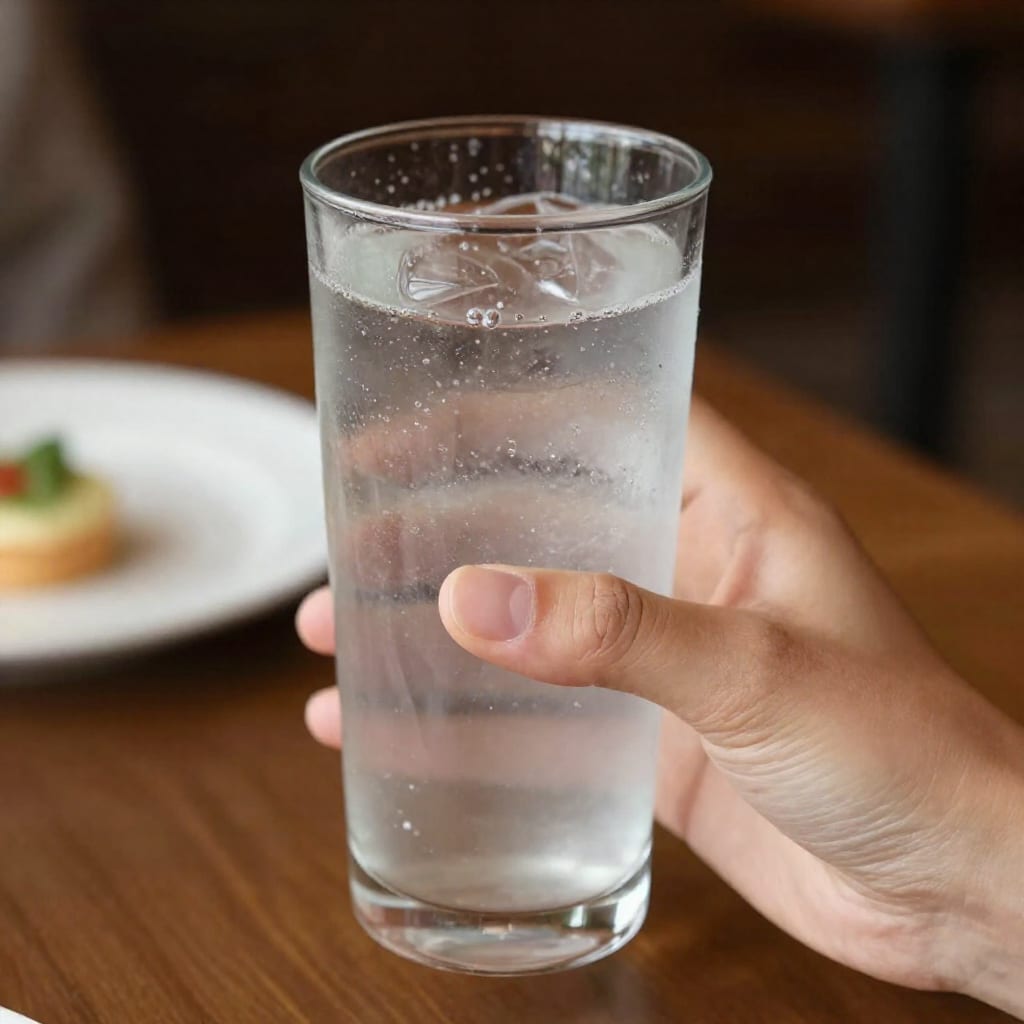
6. Create a 'Low-Stakes' Night Out Plan
Social events are where most boundaries crumble, because the pressure is real and the environment is unpredictable. That’s why I now create what I call a “low-stakes” plan for every night out. It’s a simple blueprint: I decide my arrival time, my drink spacing, and my exit strategy before I leave home. For example, at a wedding last summer, I planned to have one glass of champagne during toasts, then switch to sparkling water for the next hour, and leave by 10:30 PM. I also scouted the venue’s non-alcoholic options beforehand (they had a lovely elderflower cordial). Having the plan meant I didn’t have to think—I just executed.
Part of the plan is also deciding what to say if someone offers a drink you didn’t plan for. I keep a mental shortlist of non-alcoholic drinks I actually enjoy: club soda with a splash of cranberry and lime, or a virgin mojito. If the bar doesn’t have those, I’ll ask for a plain soda with a straw—looks just like a cocktail. The exit strategy is crucial, too: I always have a reason to leave early, even if it’s just “I promised myself I’d get a good night’s sleep.” That way, I don’t linger and accumulate drinks out of boredom or social inertia. Over time, this plan has turned me from someone who dreaded social drinking into someone who actually enjoys the event—without the hangover.
7. Don't Aim for Perfect — Aim for Progress
The biggest enemy of healthy boundaries is perfectionism. I can’t count how many times I’ve had a “bad” night—maybe six drinks instead of my limit—and then thought, “Well, I already blew it, so I might as well drink all weekend.” That all-or-nothing mindset is a trap. The truth is, every slip-up is data. After one particularly rough night at a birthday party where I had four drinks more than planned, I sat down the next morning and asked myself: “What went wrong?” I realized I hadn’t eaten dinner beforehand and had skipped my pre-party water. Simple fix for next time.
Self-compassion is the secret sauce. Research on behavior change shows that people who treat setbacks with kindness are far more likely to stick with their goals long-term. So when you slip, don’t spiral. Instead, say, “Okay, that happened. What can I learn?” Then reset the next day. I keep a note on my phone that says “Progress, not perfection,” and I look at it when I’m tempted to give up. Over a year, my average went from six drinks a week to three, and I’ve had months where I skipped alcohol entirely. That didn’t happen because I was perfect—it happened because I kept showing up, even after the messy nights.
Frequently Asked Questions
How many drinks per week is considered 'healthy' or 'moderate'?
Current guidelines from the CDC and NIAAA define moderate drinking as up to two drinks per day for men and one for women. But I’d add that any reduction is beneficial—a 2023 study found that even cutting back by one drink per week lowered health risks. Your ideal limit depends on your health, medications, and personal goals. If you’re unsure, talk to your doctor.
What if I slip up and drink more than my boundary?
That’s normal. Treat it as data, not failure. Ask yourself what triggered it—stress, boredom, social pressure?—and adjust your plan. Then reset the next day without guilt. One slip doesn’t erase your progress. I’ve had dozens; I’m still here, still learning.
How do I handle a friend who keeps pressuring me to drink?
Use a firm, polite “No thanks” without over-explaining. If they persist, suggest a shared non-alcoholic drink or change the subject. True friends respect your choice. If the pressure continues, consider whether that friendship serves your well-being.
Can I still be social if I don't drink at all?
Absolutely. Many bars and restaurants now offer excellent non-alcoholic options—mocktails, hop water, kombucha. Focus on the activity (conversation, dancing, games) rather than the drink. Most people won’t even notice what’s in your glass. I’ve spent entire nights sipping soda water with lime and had just as much fun.
What are the best non-alcoholic alternatives that actually taste good?
My top picks: hop-infused sparkling waters (like Lagunitas Hoppy Refresher), kombucha, and zero-proof spirits like Seedlip for mocktails. For a wine replacement, try non-alcoholic wines from brands like Surely or Leitz. Experiment to find what you enjoy—and don’t be afraid to ask the bartender to create something custom.
These seven tips for maintaining healthy boundaries with alcohol consumption aren’t a quick fix—they’re a toolkit you can adapt and refine over time. Start with just one: maybe pre-set your limit for this weekend’s event, or track your drinks for a week. Small steps build momentum. And remember: you’re not trying to be perfect; you’re trying to be a little bit better than yesterday. That’s something worth raising a glass of sparkling water to.