Regain Strength Safely: 5 Tips for Post-Illness Fitness in 2026
Early last winter, I spent nine days flattened by a respiratory bug that left me winded just walking to the kitchen. When I finally felt well enough to move, I laced up my sneakers and tried a gentle jog—and barely made it half a block before my legs turned to jelly and my chest started burning. That humbling moment taught me something I wish I’d known sooner: returning to fitness after illness is not about picking up where you left off; it’s about rebuilding from the ground up. After weeks of trial and error—and a few too many setbacks—I landed on five strategies that helped me regain strength safely in 2026. Here’s what actually worked.
Why Post-Illness Fitness Requires a Fresh Start (Not a Sprint)
If you’ve been sick—whether it was a nasty flu, COVID, or even a bad cold—your body has been in a state of physiological repair. Your immune system burned through energy reserves, your muscles may have atrophied from inactivity, and your cardiovascular system took a hit. Jumping back into your old routine is like flooring the gas pedal on an engine that’s still being rebuilt. It can lead to injury, relapse, or a frustrating cycle of starting and stopping.
I learned this the hard way. After a bout of bronchitis last spring, I tried to return to my usual weightlifting session. By the third set of squats, I felt dizzy, my heart was racing, and I spent the next two days in bed with a fever spike. My doctor later told me that post-illness recovery is a separate phase from being “better”—it takes at least one to two weeks of deliberate, gentle movement before your body is ready for real exertion. The key is to treat this period as a fresh start, not a sprint back to your old self. Your muscles, lungs, and energy systems need time to reboot, and that’s perfectly normal.
The good news? With the right approach, you can regain strength safely and even come back stronger. Let’s walk through the five tips that helped me—and that I now recommend to anyone in the same boat.
1. Start with the “Two-Minute Rule” to Rebuild Momentum
The biggest barrier after illness is inertia. You know you should move, but your body feels heavy, your motivation is low, and the thought of a full workout is overwhelming. That’s where the Two-Minute Rule comes in. Commit to just two minutes of gentle movement—no more, no less. It could be a slow walk around your living room, some arm circles, or even standing and doing a few deep knee bends.
Here’s the psychology behind it: once you start, you often feel like doing a little more. But the rule is that you must stop after two minutes if you’re tempted to push further. Why? Because the goal isn’t to get a workout; it’s to rebuild the habit of movement without triggering a relapse. On my first day back after that respiratory bug, I set a timer for two minutes and walked in circles around my kitchen island. When the timer went off, I felt good—but I forced myself to stop. The next day, I did three minutes. By the end of the first week, I was doing ten minutes of slow walking without feeling wiped out.
Practical tip: Use a simple timer on your phone. If two minutes feels too easy after a few days, bump it to three or four, but never increase by more than 50% of the previous day’s time. This gradual ramp-up prevents the “boom-and-bust” pattern that so common in post-illness recovery.
2. Prioritize Mobility and Breathwork Before Strength
When I finally felt ready to move more, my instinct was to lift weights. Big mistake. After illness, your joints can feel stiff, your diaphragm may be weak from coughing, and your core stability is compromised. Strength without mobility is like building a house on sand—you’re setting yourself up for strain and injury.
Instead, start with mobility exercises and breathwork for at least the first week. Think cat-cow stretches, gentle spinal twists, and slow, diaphragmatic breathing. When I did this, I noticed something surprising: my lower back pain (which I’d had for years) eased up, and I could take a full breath for what felt like the first time in weeks. Breathwork, specifically the 4-7-8 technique (inhale for 4 seconds, hold for 7, exhale for 8), helped calm my nervous system and improved my oxygen efficiency. That directly translated to better endurance when I finally added light resistance.
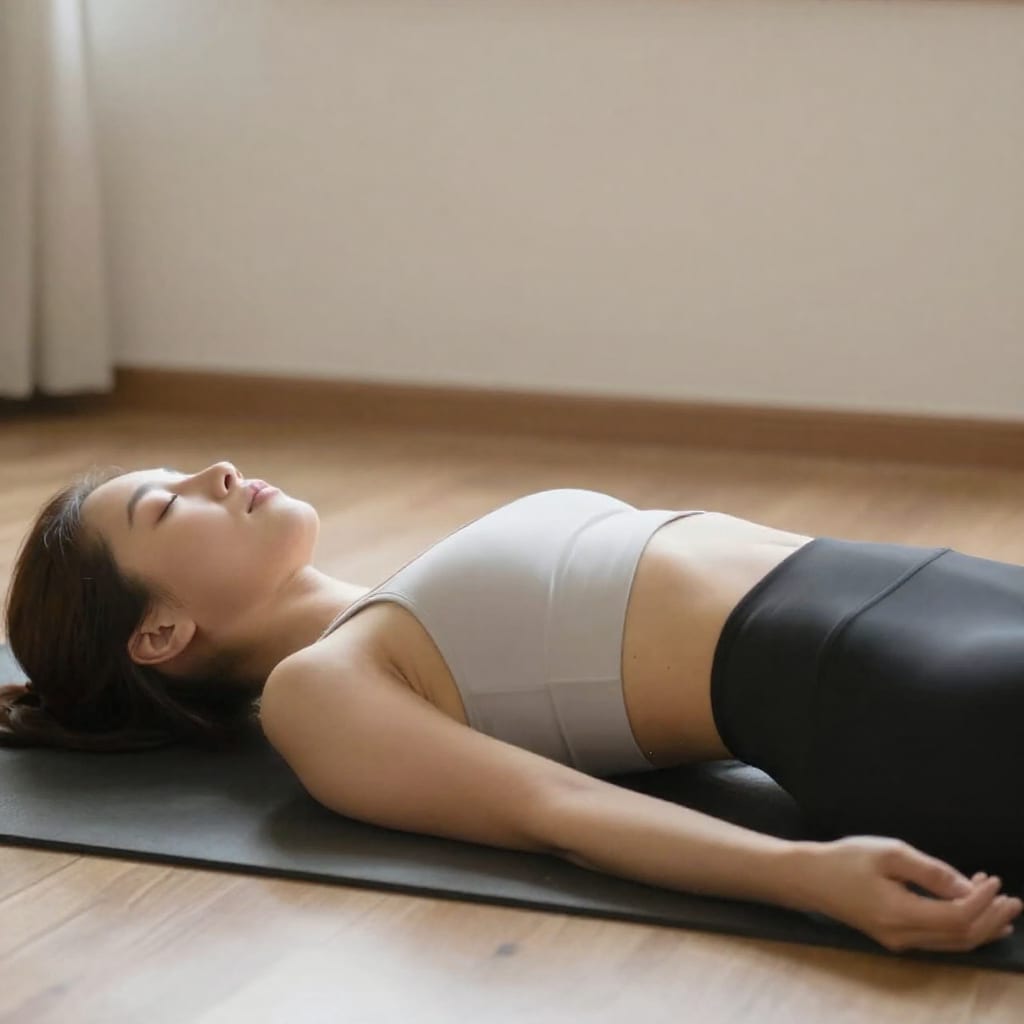
Here’s a simple sequence I used: five minutes of slow, deep breathing while lying on my back, then five minutes of cat-cow and hip circles on all fours. When I felt ready, I added a few minutes of standing side bends and arm sweeps. Total time: 10-15 minutes. No sweating, no strain. After a week, my range of motion improved, and I felt safe to try bodyweight squats and wall push-ups.
The takeaway? Don’t rush to lift weights. Your joints and lungs need to regain their full range and capacity first. Mobility work is not a waste of time—it’s the foundation for safe strength gains.
3. Use the “Talk Test” to Gauge Your Intensity Every Session
One of the biggest challenges after illness is knowing how hard to push. Your heart rate might spike faster than before, and your perceived exertion can be off. The simplest, most reliable tool I’ve found is the Talk Test. During any exercise, you should be able to speak in full sentences without gasping for air. If you can’t, you’re going too hard.
I tested this myself during a slow bike ride two weeks after my illness. I was pedaling at what felt like a leisurely pace, but when I tried to recite a line from a book I’d been reading, I had to stop mid-sentence to catch my breath. That was my cue to slow down. I pedaled at a lower resistance, and within a minute, I could talk comfortably again. The next day, I kept the same pace and noticed I could hold a short conversation. That was progress.
Why this works: The Talk Test correlates well with moderate-intensity exercise (roughly 40-60% of your max effort), which is the sweet spot for recovery. Pushing into the “can’t talk” zone too soon can increase inflammation and delay healing. So before every session, pick a short phrase (I like “The quick brown fox jumps over the lazy dog”) and check in. If you can say it without puffing, you’re in the right zone. If you’re gasping, back off immediately.
This method is especially helpful because it requires no equipment, no heart rate monitor, and no guesswork. It’s your body’s own feedback system, and it’s remarkably accurate.
4. Replenish Smart: Nutrition and Hydration Hacks for Recovery
Your body needs more than just movement to rebuild strength—it needs fuel. During illness, your appetite likely dropped, and you may have lost fluids and electrolytes. Returning to exercise without addressing nutrition is like trying to drive a car with an empty tank. I found that focusing on three key areas made a huge difference: protein, hydration, and timing.
First, protein. After sickness, your muscles are in a catabolic state (breaking down), so you need to signal them to rebuild. I started my day with two scrambled eggs or a Greek yogurt parfait. For lunch and dinner, I aimed for a palm-sized portion of chicken, fish, or beans. Simple, no fancy supplements needed. Second, hydration: I made a habit of drinking a full glass of water with a pinch of salt and a squeeze of lemon first thing in the morning. The salt helped replace electrolytes lost during fever or coughing. Third, timing: I learned that eating a small snack (like a banana or a handful of almonds) about 30 minutes before gentle exercise gave me steady energy without weighing me down.
One counter-intuitive insight: After illness, your body may not signal hunger as strongly. I had to set gentle reminders to eat every three to four hours, even if I didn’t feel hungry. Skipping meals left me feeling shaky and weak during my short walks. A small, balanced snack—like apple slices with peanut butter—kept my energy stable.
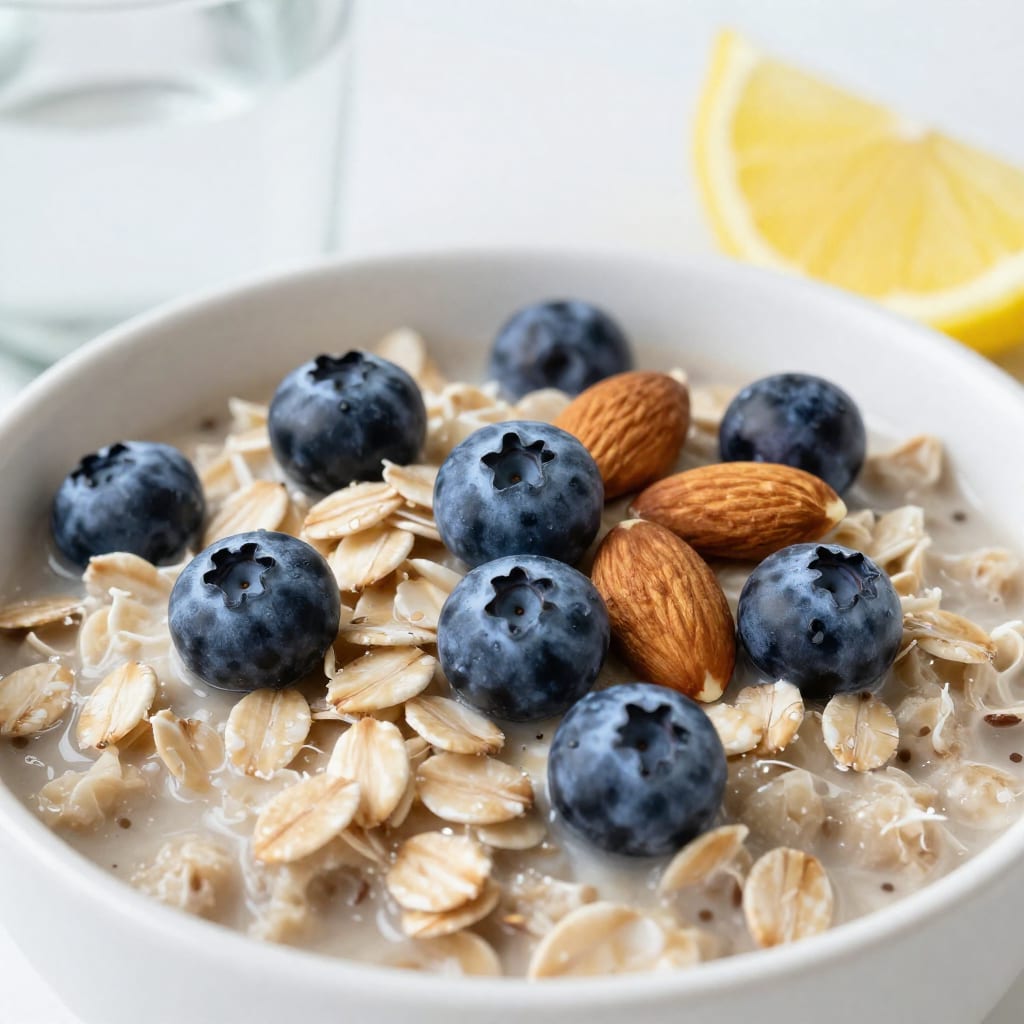
If you’re considering supplements, talk to your doctor first. From my own experience, whole foods worked better than powders or pills. A warm bowl of oatmeal with berries and a drizzle of honey often felt more nourishing than any shake.
5. Track Progress by How You Feel, Not by the Scale or Weights
The hardest lesson for me was letting go of numbers. After that first jogging failure, I was tempted to track my weight, my mile time, or how much I could lift. But those metrics were misleading. My body was still recovering, and comparing myself to pre-illness benchmarks only led to frustration. Instead, I started a simple “feelings journal.” Every day, I jotted down three things: my energy level on a scale of 1-10, my mood, and how I felt during movement (e.g., “walked 5 minutes, felt light in legs, no dizziness”).
Within two weeks, I noticed a pattern. On days when I slept well and ate a solid breakfast, my energy score was a 7 or 8. On days when I skimped on sleep, it dropped to 5. That data was far more useful than any number on a scale. I also tracked how long it took for my heart rate to return to normal after exercise. The first week, it stayed elevated for a full five minutes after a short walk. By week three, it dropped back within two minutes. That was concrete evidence of recovery—and it kept me motivated.
Here’s a practical tracking method: Use a simple note on your phone or a paper journal. Rate your energy before your session, then note how you feel during and after. If you feel drained the next day, you pushed too hard. If you feel energized and calm, you’re on the right track. This feeling-based approach prevents the discouragement that comes from comparing yourself to a pre-illness version that no longer exists. Your body is different now—but it can be rebuilt.
Practical Takeaway
Regaining strength after illness is a slow, deliberate process—and that’s okay. Start with the Two-Minute Rule to build momentum without overwhelming yourself. Focus on mobility and breathwork before touching weights. Use the Talk Test every session to stay in the safe zone. Replenish smart with protein, hydration, and proper timing. And track progress by how you feel, not by external numbers. Your body will come back, but only if you let it lead the way. Be patient, be kind to yourself, and celebrate small wins—like walking an extra minute or waking up without fatigue. That’s real progress.
Worth bookmarking before your next recovery phase—you never know when you might need these reminders.